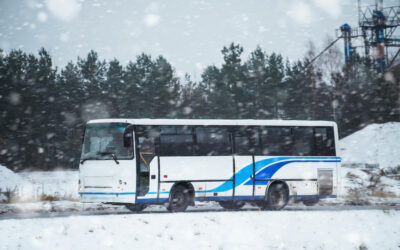

Public transportation is a lifeline for many people living in and around Aurora. Whether it’s taking the RTD bus to get to work, catching a light rail line for a weekend event in Denver, or relying on transit when your car is in the shop, thousands of folks board buses, trains, and shuttles every day. Most trips go smoothly, but not all of them. Accidents can happen while you’re boarding, riding, or even getting off the vehicle. Knowing what to do and understanding your rights makes a big difference during a confusing, stressful moment.
People tend to think they don’t have much control as a passenger on public transit. After an injury, it’s normal to wonder, “Who’s responsible?” “Should I just brush this off?” “What now?” The truth is, passengers have rights under Colorado law, including in Aurora, and it’s important to be clear about what those rights are. If a bus driver hits the brakes too hard and you fall, or a maintenance failure injures you on the light rail platform, you may be able to seek help and be compensated.
Understanding Your Legal Rights
When you’re using public transit, you’re owed a certain level of safety. Operators like RTD must keep their vehicles in good shape and drive responsibly. The people behind the wheel should be trained and focused. If they don’t live up to these standards and someone gets hurt, they can be held legally responsible.
As a passenger, you have the right to expect:
– A reasonably safe ride from start to finish
– Properly maintained vehicles, including safe steps and handrails
– Secure seating and standing areas
– Drivers and staff who follow safety rules and traffic laws
– Protection from any preventable harm caused by the transit agency or its workers
When something does go wrong, laws in Aurora and throughout Colorado can support passengers in making claims. Public transit agencies aren’t above the law, but there are specific rules to follow when filing a claim. For example, when you’re dealing with a government agency like RTD, there’s a short window to file what’s called a notice of claim. In Colorado, you usually have just 182 days — or about six months — to give notice. Missing that deadline can cost you the chance to recover anything.
It’s also important to know that the rules for suing a government run a little differently. There might be limits on how much money you can ask for, and proving negligence works a bit differently than in private car or truck accidents. That’s where understanding the legal process in places like Aurora gives you a better shot at being taken seriously and treated fairly.
Steps To Take Immediately After An Injury On Public Transit
Injuries are never convenient, especially when they happen on public transportation. People often feel rushed or embarrassed, and it’s easy to skip over the things that protect your rights. Here’s what to do if you’ve been hurt while using public transit in Aurora or nearby towns.
1. Get medical help without delay
Even if you feel okay, go get checked. Some injuries, like head trauma or soft tissue damage, don’t show up right away. Seeing a doctor not only protects your health but also creates a record proving that the injury is real and tied to the incident.
2. Report the injury
Make sure the driver, station manager, or another RTD employee knows what happened. Try to get a copy of any report they file. If no one offers, ask them to write it down. This becomes part of the paper trail.
3. Collect details at the scene
It helps to gather as much info as you can:
– Take photos of where and how the injury occurred
– Note the vehicle number, route, and direction it was headed
– Get contact details from any witnesses
– Make a timeline of what happened while it’s still fresh
4. Keep records
Store your medical paperwork, transit passes, receipts, and any communication with RTD. These things can support your claim later, showing that your injury had a lasting impact.
5. Avoid speaking with adjusters too soon
If someone reaches out from the transit agency’s insurance company, don’t feel pressured to explain everything right away. These companies may be trying to delay or reduce your claim before you understand its full value.
Handling these steps soon after the accident keeps things from slipping through the cracks. It also shows that you’re taking your situation seriously, which can affect how your case is treated later on.
The Role Of Accident Lawyers In Public Transit Injury Cases
Public transit injuries can feel overwhelming. After all, you’re dealing with a large government-run system, not just another driver in a private car. That’s where a skilled accident lawyer comes in. They’re the ones who can help sort through the paperwork, explain deadlines, and make sure the responsible party is held accountable.
Legal representation is especially helpful when the injury involves complex issues like proving that the transit agency was negligent. Large systems like RTD in Aurora often have teams of attorneys and insurance reps working to protect their side. It’s not always a level playing field. An experienced lawyer can build the strongest possible case by pulling medical records, obtaining surveillance footage, or working with experts who understand transit safety standards.
When looking for a lawyer to help with a public transit injury in Aurora or Denver, here are some good things to keep in mind:
– Choose someone with local experience, who knows how state and city laws apply
– Make sure they’ve handled public transit cases before
– Check if they’re easy to reach and willing to explain each step
– Look for someone who listens to you and doesn’t rush decisions
Before sitting down for an initial meeting, it helps to be prepared. Bring any documents you’ve gathered, including names of witnesses, photos, reports, and medical records if you have them. The more your lawyer knows from the start, the better they can advise you.
Understanding Compensation For Transit Injuries
After getting hurt on public transit, one of the biggest questions is how much compensation could be available. Every case is different, but several types of damage are usually considered.
Passengers injured in Colorado may be able to recover:
– Medical bills, from immediate treatment to future care
– Lost wages due to time off work
– Reduced ability to work, if the injury changed your health long-term
– Pain and suffering, where the injury affects your daily life or mental health
– Out-of-pocket expenses, like help around the house or transportation to therapy
Filing a claim against a public agency like RTD adds a few wrinkles. You may be limited in the amount of compensation state law allows. You’ll also need to submit a notice of claim within 182 days under Colorado’s Governmental Immunity Act. That legal rule applies whether you’re dealing with a bus, train, or other city-run transportation.
Once the claim is filed, you could either settle out of court or go to trial if your case doesn’t resolve through negotiations. Settlement is more common, but having an attorney helps either way so you don’t settle for less than what’s fair.
Tips For Making Sure Your Rights Stay Protected
It’s easy to feel lost after an accident, especially with mounting paperwork, medical appointments, and calls from insurance. Staying focused on your legal rights can make a big difference in the outcome.
Here are a few ways to protect yourself:
– Don’t delay getting the legal process started — missing deadlines hurts your chances
– Save and back up everything — photos, texts, receipts, even short notes can all help
– Avoid public posts on social media discussing the accident — these can be used against you
– Stay consistent when describing what happened, whether it’s to doctors or lawyers
Having someone by your side who understands how injury claims work will protect you from being pushed into a corner. Insurance companies are often more cooperative when they see you’re backed by legal experience.
Protecting Yourself and Moving Forward with Confidence
Recovering from a public transit injury isn’t just about getting better physically. It means getting your life back together at work, at home, and in your day-to-day routine. Sometimes that means standing up to large agencies or insurance companies to get what you’re owed.
Fortunately, you’re not expected to figure it all out alone. From deciding when to file a claim to understanding how local laws like those in Aurora work, there’s help out there. Legal support gives you a better chance of being heard and treated fairly. Knowing your rights, taking meaningful steps early, and working with professionals who handle these cases all help you move forward when you’re ready.
Recovering from a public transit injury might seem like an uphill battle, but having the right legal support can make all the difference. With experienced accident lawyers by your side in Aurora, you’ll have a better chance at securing the compensation and justice you deserve. For personalized assistance tailored to your unique situation, reach out to Cave Law today and let our team guide you through the process.