
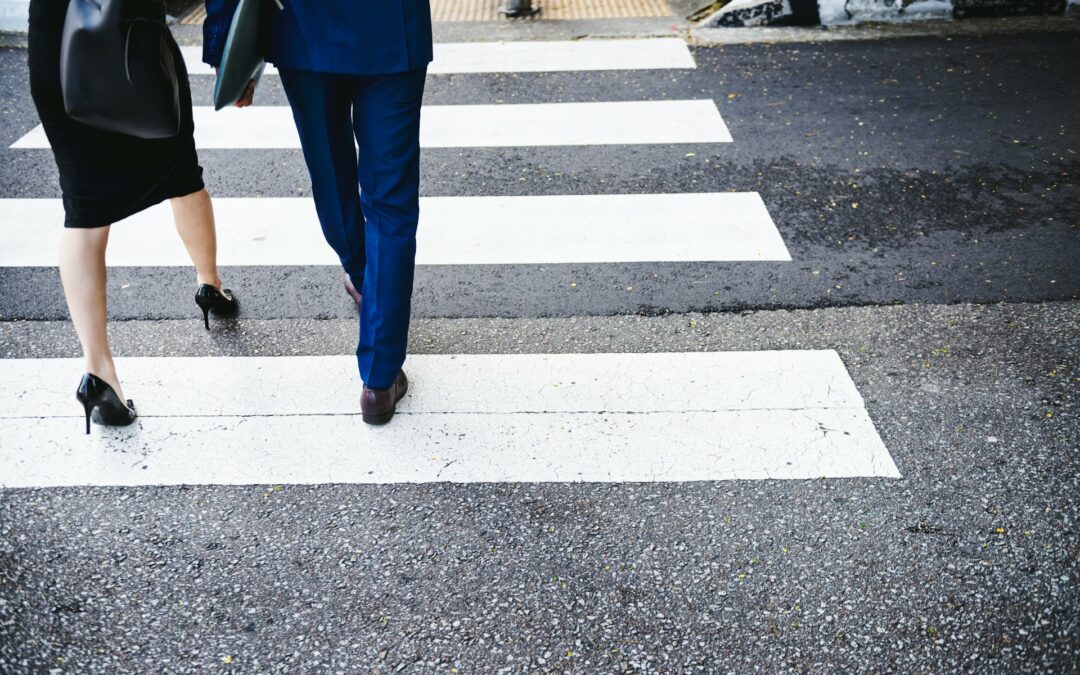
As spring comes to Denver, it is easy to notice more people outside. The longer daylight hours and comfortable weather mean more walks to school, coffee shops, parks, and transit stops. But as foot traffic picks up, so does the chance for accidents. Crosswalks can go from calm to chaotic in seconds, and one careless move can lead to a serious injury.
We have worked with many people after a bad experience near a crosswalk, so we know the little things that can make a big difference. From busy city intersections to quick lunchtime strolls, there are always ways to stay safer. As a pedestrian accident lawyer in Denver, we are here to share a few clear tips to help keep your steps a little more protected this season.
Know the Most Dangerous Spots in Denver
Not all crosswalks are equal. Some areas deserve more attention than others, especially in spring when students are on break and more events bring people downtown.
- Crossings near schools or parks, like those around South High School or Ruby Hill Park, see more kids and families on foot.
- Intersections by light rail stations or bus stops tend to have both foot and vehicle movement at once, including spots around Colfax Avenue or Union Station.
- Areas downtown, where events happen more often in spring, can have packed sidewalks and impatient drivers trying to make lights.
The weather might feel nice, but that does not mean drivers are fully alert. When we know which areas are more likely to see trouble, we can make quicker, safer decisions before stepping off the curb.
Cave Law’s pedestrian accident service page highlights common problem areas, busy crosswalks, and intersections near transit, schools, and event venues throughout Denver and Aurora.
Watch Out for Broken or Confusing Signals
Sometimes, the crosswalk’s warning systems are not doing what they should. Maybe the light flashes at the wrong time, or the “walk” signal blinks before it is safe to cross.
- If signals seem out of sync with traffic movement, wait a second longer. Better a delay than a risk.
- Faded paint, missing stripes, or a sign that is leaning or knocked down can make it unclear whether you are in a marked crosswalk or just walking across a street.
- When in doubt, trust your gut. If something about the crosswalk does not feel right, wait or find a better spot to cross. People often ignore that little voice of hesitation, but it is usually there for a reason.
A few extra seconds waiting will not ruin your day, but they might save it.
Cave Law has seen cases where malfunctioning signals or missing crosswalk paint increased risk for both walkers and cyclists.
How to Cross the Right Way
We all know how to cross a street, or at least we think we do. But distractions or assumptions can sneak in and change how alert we really are.
- Always wait for a clear walking signal. If a crossing does not have a signal, wait until all lanes look safe, not just the one in front of you.
- Look for a driver’s eyes. If you cannot tell whether the car sees you, it is best to hang back.
- Put your phone away and keep headphones off. Sounds like traffic noise, brakes, or warning horns help you know what is going on behind and around you.
Crossing safely is about staying aware, one step at a time.
What Drivers Need to Do Near Crosswalks
Pedestrians are not the only ones who play a role in safety. Drivers around Denver and Aurora need to be extra alert, especially where foot traffic is heavy.
- Colorado law says drivers must yield when someone is in a marked crosswalk, even if the driver has the green light. That includes people walking slowly or with children.
- Start slowing as you come near school zones, trailheads, or areas with curb ramps or pedestrian islands. Someone may be just out of view.
- In spring, more runners and cyclists are out too. That mix of movement means more chances for missed signals or distracted choices.
A moment of attention behind the wheel can help someone else make it home safely.
Our experience includes advocating for pedestrians injured when vehicles failed to yield, particularly in school, park, or transit zones.
Staying Safe in Work Zones and Spring Detours
The longer daylight hours and drier roads signal the start of construction season. Orange cones, fenced-in pits, and redirected sidewalks start popping up all over Aurora and Denver.
- Sidewalks may be narrowed or pushed into the street. Detour signs may send you somewhere unfamiliar.
- Sometimes, big machines and piles of gravel block the view of oncoming traffic, walking signals, or even trains.
- Uneven surfaces, like metal plates or lifted asphalt, make balance harder and footing less certain, especially for those using canes or strollers.
If a path feels unsafe or the reroute is not clear, it is okay to go around or wait for a safer time to cross. Personal judgment is sometimes stronger than any posted sign.
We have handled accident claims involving unsafe work zone detours or blocked sidewalks that forced pedestrians into dangerous areas.
A Safer Spring Starts with Simple Choices
The more you watch your surroundings while walking or driving, the fewer surprises you run into. Knowing which areas tend to be problematic saves time and lowers risk. Whether you are heading to a trail, meeting a friend for lunch, or catching the bus downtown, crosswalk safety matters.
Staying alert means being aware of your space, reading traffic clues, and respecting Colorado laws around pedestrian rights in places like Aurora. Drivers and walkers working together help reduce the chance of injury. A few simple habits in spring can support safer streets all across the Denver area.
If you find yourself in a situation where a crosswalk accident has left you uncertain about your next steps, don’t hesitate to reach out for support. At Cave Law, we understand the challenges and are here to help guide you through the process. Connect with an experienced pedestrian accident attorney in Parker, CO who can provide the expertise and care you need. Let us assist you in navigating your options with confidence and peace of mind.