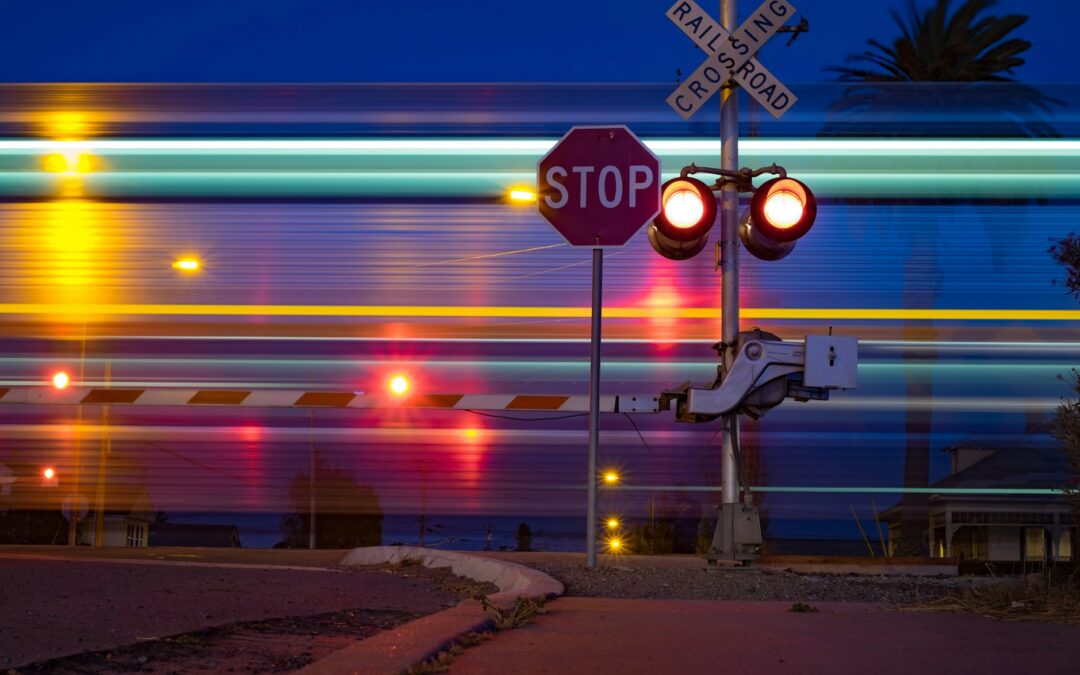
Railroad crossings are a normal part of life in Aurora. Most people drive through them every day without giving them a second thought. When the lights flash and the gate comes down, drivers and pedestrians know to stop. But what happens when that gate does not work the way it’s supposed to? A broken or delayed railroad crossing gate can lead to serious accidents. These failures are more common than many people realize and often go unnoticed until something bad happens.
Crossing gate malfunctions do more than delay traffic. They can cause injuries, property damage, or worse. People in Aurora depend on these gates to work properly, especially in areas where tracks run through neighborhoods and busy intersections. With a growing population and more train activity in the area, it’s important to understand why these failures happen and how they’re supposed to be handled when they do. Knowing your rights and what steps to take can help you stay safe and protect others.
Common Causes Of Railroad Crossing Gate Failures
Railroad crossing gates are supposed to be reliable. But just like any mechanical system, things can go wrong. These delays or failures can come from many sources, and most of them are preventable with proper care.
Here are some of the most common reasons these crossings break down:
– Lack of maintenance: When railway companies don’t do regular checks, small problems get missed, like worn gears or loose wiring.
– Old equipment: Outdated systems are more likely to break. Some railroad infrastructure in Colorado hasn’t been updated in a long time.
– Storm damage: Heavy rain, snow, or strong wind can mess with the electrical parts of the gate, especially in late fall when weather changes quickly.
– Human error: Mistakes by maintenance crews or inspectors sometimes lead to parts being installed wrong or skipped altogether during checks.
– Power failures: Many systems depend on electricity. If a power line goes down nearby, the gates might stop working or open too late.
With colder weather arriving by mid-November in Aurora, snow and ice can also slow down or jam the gate arms. It only takes one missed maintenance check paired with a freeze to cause a mechanical failure. One local driver recently shared how their morning drive was thrown off when the gate came down without warning, trapping their car near the tracks until they could reverse out. It’s stories like this that remind us how fast a routine moment can turn dangerous.
Legal Responsibilities And Protections In Aurora
In Aurora, railroad companies are expected to follow state and federal safety rules to make sure crossings work the way they should. Once a gate system is installed, it’s their job to inspect and maintain it based on set schedules. Colorado law expects railroads to have working signals, clear signage, and equipment that warns drivers and pedestrians in time to stop when a train is coming.
If a railroad crossing gate fails and causes harm, the company could be responsible, especially if they knew about the issue and didn’t act. There are also rules about how fast trains can go in areas with broken or faulty signals. If those rules are ignored, it can add to their liability.
Aurora expects railway companies to:
– Keep warning systems like lights, bells, and gates in good working order
– Respond quickly when problems are reported by police or the public
– Document any issues and repairs regularly
– Notify city and state regulators if a serious failure happens
If people get hurt because a gate didn’t work, they have the right to file a claim. A railroad injuries attorney familiar with Aurora’s laws can dig into maintenance logs, inspection records, and incident reports to find out what went wrong. Because train companies usually have their own legal teams, it helps to have someone on your side who knows how to challenge their defense. Understanding these protections is the first step in standing up for your safety when the system doesn’t work how it should.
Steps To Take After A Railroad Crossing Gate Failure
When something goes wrong at a crossing, your first priority should always be safety. If you’re involved in an incident or near-miss at a railroad crossing where the gate failed, quick and calm steps can make a big difference. Whether you’re a pedestrian, a driver, or just a witness, knowing what to do right after the event can help protect yourself and others and could make your case stronger if legal action becomes necessary.
Here’s what to do:
1. Get to safety – If you’re near the tracks and something doesn’t look right, back away immediately. Don’t try to guess whether a train is coming.
2. Call 911 – If there is any danger, injury, or damage, contact emergency services. First responders can help you and also document the issue officially.
3. Report the failure – Railroad crossings usually have a blue sign with an ID number or contact info posted near the gate. Call the number to report the gate malfunction. That starts a formal record of the incident.
4. Take photos or videos – If it’s safe, capture anything that shows the problem. That might include the position of the gate, missing lights, or any other unusual things.
5. Write down what you saw – Memory fades fast after scary moments. It helps to jot down what happened right away, including the time, location, weather, and any train markings.
6. Talk to witnesses – If anyone nearby saw the same thing, ask for their contact details in case their statement is helpful later.
7. Get medical attention – Even if you feel okay, get checked. Some injuries take time to show up.
Once the dust settles, it helps to speak with a railroad injuries attorney in Aurora. These aren’t situations the average person handles often, and there are rules and strategies that only apply to train companies or city agencies. Having someone review your situation ensures that nothing important gets missed.
Importance Of Legal Support In These Cases
Train-related accidents often involve extra layers of responsibility. Unlike typical street crashes, railway incidents cross into many areas, including federal regulations, local laws, and company policies. That’s a lot to figure out when you’re trying to recover from an injury or damage.
An experienced attorney knows how to collect the right evidence, ask the right questions, and hold the right people accountable. They can review maintenance records, speak to traffic engineers, and work with experts when needed. Cases like these don’t always follow a straight path, and it helps having someone keeping track of everything that can affect your claim.
Working with someone local to Aurora also makes a difference. They know the roads, the crossings, and the legal climate here. It’s easier to understand if certain gates have been flagged before or if there’s a pattern of repeat problems in the area. That can help shape a stronger case and lead to quicker action.
Stay Alert and Know What You Can Do
Accidents at railroad crossings can be scary and confusing. Whether it’s a gate failure that led to a wreck or a close call that left you shaken, it’s worth learning what your rights are. You shouldn’t have to worry about paying out of pocket when someone else’s job was to keep those crossings working.
Colorado law gives you a legal path to hold train companies responsible when their systems fall apart. But waiting too long or missing a key detail can weaken your case. That’s why it helps to start gathering info early and talk to someone who’s handled railroad injury cases before.
Stay informed. If you spot gates that don’t work right or see damaged signals in Aurora, don’t ignore it. Report it. Your voice might help prevent someone else from getting hurt. Safety should never be a guessing game, especially when it comes to something as serious as a train crossing.
Dealing with the aftermath of a railroad crossing failure in Aurora can be confusing, especially when you’re unsure who to hold accountable. If you’ve been injured or shaken up by a train-related incident, talking to a railroad injuries attorney could help you understand your options and protect your rights. At Cave Law, we’re here to walk you through each step and fight for the support you deserve.