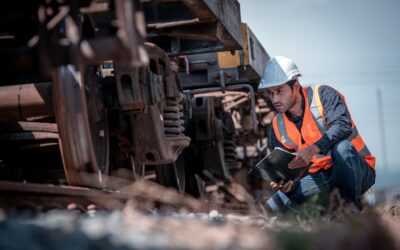

After a train collision, things can get confusing fast. You may feel shocked, shaken, or unsure what to do next. But once you’re safe and able to think clearly, it’s important to start gathering evidence. What you collect at the scene and in the days that follow can really make a difference when you’re trying to explain what happened and why. Evidence could support your injury claim, help show who was at fault, and provide a clearer picture of how the accident affected you.
If the crash happened in Aurora, Colorado, there are certain steps to take that align with local law. Colorado is an at-fault state, which means whoever is proven responsible usually has to cover the costs tied to the accident. So having strong evidence helps your side of the story hold up, whether you’re working with a lawyer or answering questions from insurance companies. It’s best to act quickly, because certain details can disappear or get harder to prove over time.
Document The Scene Immediately
Train crashes don’t happen often, but when they do, the scene changes fast. Trains get moved, debris gets cleaned up, and tracks go back into use. That’s why it’s important to grab as many photos and videos as you can right after the crash as long as you’re safe doing so.
Here’s what to try to capture:
– The train: Take photos of any damage to the train cars, including dents, broken windows, or signs of fire.
– The tracks: Look for shifted rails, cracks, or oil slicks that don’t belong.
– Nearby signals or signs: Were the railroad signals working? Were barriers down when they should’ve been?
– Your injuries: If you have bruises, cuts, or anything more serious, snap a quick photo before getting medical help.
– Time and weather: Make a note of what the weather was like. Aurora gets hot in late August, and heat can sometimes affect mechanics or visibility. Also write down the time and anything else you remember, like horn sounds or sudden stops.
You can use your smartphone for all of this. Shoot pictures from different angles. It helps to take some close-ups and some wide shots. If you have access to video, record a walk-through of the spot. Describe what you’re seeing as you move along. Try to do this as soon as you’re able before railroad staff or emergency crews clean things up.
Collect Witness Statements And Contact Information
Once you’ve taken care of yourself and those around you, talk to others who were there. Witnesses can help fill in the blanks and back up your side of the story. The thing is, people tend to leave the scene after giving their own statements, so time matters here, too.
Start with these steps:
– Ask other passengers what they noticed. They might have caught something you didn’t.
– Get full names, phone numbers, and email addresses from anyone willing to speak up.
– If someone says something useful about what they saw, ask if they’d let you write it down.
– If possible, use your phone to record brief audio or video of them telling their version of what happened.
Bystanders may have seen the crash from a street corner, a nearby parking lot, or while walking by. Their outside view could be helpful if your claim ever goes to court or if you’re questioned about how things unfolded. Just be polite, and let them know you’re gathering details to explain what happened from your side. It’s okay if not everyone wants to talk; just do what you can while you’re still there.
Acquire Official Reports And Records
Once you’ve gotten through the immediate aftermath, turn your attention to the official documentation. These records help back up what you saw and experienced. In Aurora, you’ll want to start with the police report. If the police responded to the scene, they likely wrote down what they observed, noted what witnesses said, and documented any laws that might’ve been broken.
You can request a copy of the police report from the Aurora Police Department or the Colorado State Patrol, depending on who handled the scene. Also check with the train company. They may have their own internal reports written by employees, managers, or inspectors. These logs can give insight into how the train was operating that day and what maintenance it had received recently.
If you were treated by paramedics or went to the hospital right afterward, hold onto your medical records and discharge papers. These can show how the accident affected you physically, which is important when making an injury claim. Keep copies of prescriptions, treatment instructions, and visit summaries as well. These help support your timeline and make things clearer if questions come up down the road.
Keep Personal Documentation
Firsthand details matter. Even though official reports are useful, your personal account ties everything together. Start by writing down your memory of the event as soon as you’re able. Stick to the facts, including what you saw, heard, felt, and did before, during, and after the crash.
Also track anything you deal with physically or emotionally in the days following the collision. This might include:
– Headaches or dizziness that don’t go away
– Trouble sleeping or changes in mood
– Pain in certain areas of your body you didn’t notice right away
Some signs of injury show up hours or even days later. Keep a notebook or digital log of when symptoms began and how they progressed. You should also document any out-of-pocket costs you face. Save receipts from medications, transportation to medical appointments, or items you had to replace due to being damaged in the crash. The more detail you have, the easier it is to explain how your life was impacted.
Ensure Your Evidence Is Well-Organized
Gathering evidence is one piece of the puzzle. Making sure it’s organized is just as important. When different people get involved, like insurance adjusters, lawyers, and investigators, they’ll need to review your case clearly and quickly. Scattered pieces of paperwork or poorly labeled files can slow everything down.
Here’s how to keep things in order:
– Use folders (both paper and digital) to sort documents by type, like medical records, witness notes, or receipts
– Label your photo and video files with the date, location, and what they show
– Create backup copies in cloud storage, on a thumb drive, or both
– Write a short timeline that stitches everything together in the right order
If the process starts to feel overwhelming, it’s a good idea to connect with a railroad injuries attorney who knows how to handle accident cases in Aurora. They can help you gather anything you missed and make sure it stands up under legal scrutiny.
Why Being Prepared Helps You Down the Line
Evidence doesn’t just prove an accident happened. It gives structure to your experience and helps others, including lawyers, judges, or insurance reps, understand what you went through. A strong collection of records supports your side of the story and gives weight to your claim.
In Aurora, the steps you take after a train accident matter. Whether you’re sitting in a hospital room or standing on the platform trying to figure things out, the way you gather and hold onto details can shape how things turn out legally. People often feel unsure during these moments, which is normal, but acting early and keeping track of the right evidence can make a huge difference when it’s time to move forward.
If you’re still unsure what to collect or how to get started, know that you’re not expected to handle everything alone. What matters most is that you don’t wait too long. Evidence fades, memories blur, and paperwork disappears fast. Be proactive, be thorough, and get support where and when you need it.
If you’re dealing with the aftermath of a train accident in Aurora and want steady guidance through the legal process, working with an experienced railroad injuries attorney can help you take the right steps without the added stress. At Cave Law, we’re here to make sure your evidence is presented clearly and your rights are protected every step of the way.