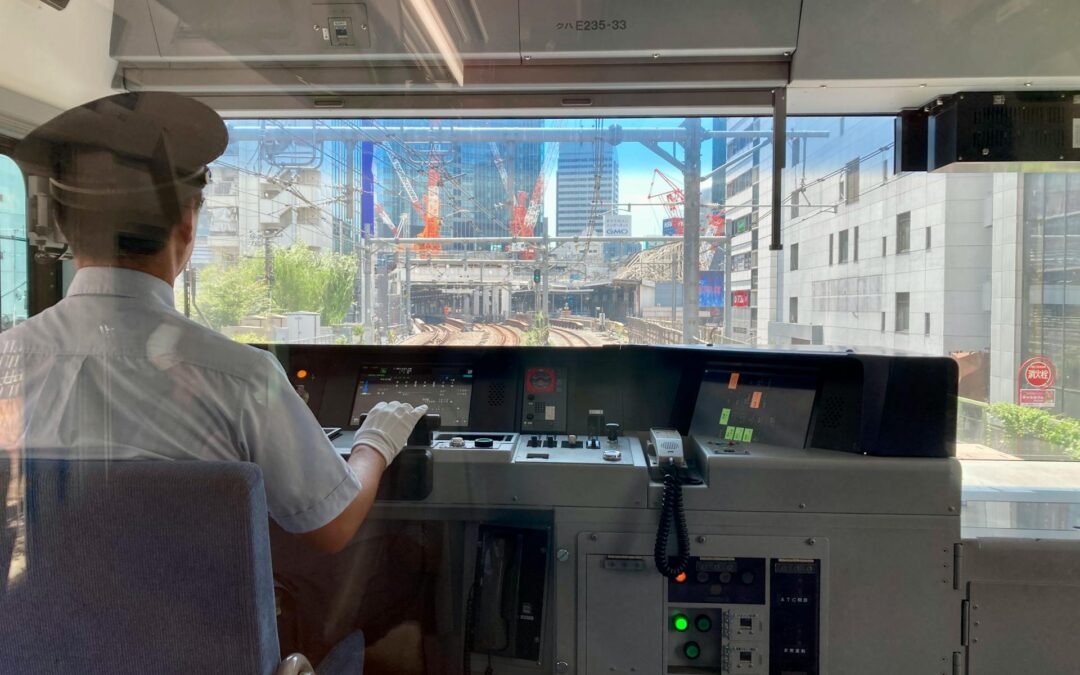
Fatigue behind the wheel is already dangerous enough when it comes to cars and trucks. But when the person feeling sleepy or unfocused is operating a train, the risk jumps to a whole new level. Train operators have a job that demands focus for long stretches of time. When focus slips, accidents happen. And when those accidents take place in Denver, passengers have every reason to ask questions about what went wrong and who’s responsible.
Fatigue can look different from person to person. Sometimes it comes from long hours with no breaks. Other times it’s because of split shifts, disrupted sleep, or mental overload. No matter the cause, the result is the same. People suffer. If you’ve been in a train accident in Denver and suspect operator fatigue was one of the reasons, understanding your legal rights under Colorado law makes all the difference.
Understanding Train Operator Fatigue
Train operator fatigue isn’t just about feeling a little tired at the end of a shift. It’s the kind of exhaustion that affects a person’s ability to make quick decisions, stay alert, or even react to warning signs. When someone is behind the controls of a massive machine like a train, that lack of focus can cause a disaster in seconds.
Here are some of the most common reasons operators experience fatigue:
– Working long shifts without proper breaks
– Night shifts that throw off sleep schedules
– Back-to-back shifts with limited rest between
– Stress from poor working conditions or pressure to meet deadlines
– Health issues like sleep apnea, which can leave someone drained even after a full night’s sleep
These working conditions aren’t unusual across rail systems. That’s what makes this more than just a one-time issue. Fatigue doesn’t just affect the person feeling it. It puts every passenger onboard at risk. If you’ve been involved in a train accident in Denver or know someone who has, there’s a real chance fatigue might have played a part.
To understand how this sets the stage for accidents, think of a time you drove while sleep-deprived. You may have zoned out at a stoplight or reacted slowly when someone pulled in front of you. Now imagine being in charge of a 100-ton train moving 60 miles an hour. One mistake from a sleep-deprived operator can lead to serious injuries, derailments, or worse. That’s where legal protections matter.
Legal Protections For Passengers In Denver
Colorado law recognizes that passengers on public and private trains deserve protection, especially when incidents happen due to unsafe working conditions. In Denver, these protections give passengers the right to hold train companies accountable if they’re hurt due to operator fatigue.
When operator fatigue leads to a train accident in Denver, certain rights may apply:
– You have the right to seek compensation for medical bills, lost wages, and pain related to the accident
– You can file a legal claim against the company or agency responsible for scheduling and supervising train operators
– You are protected from being pressured into accepting smaller settlements than you deserve
In Aurora and throughout Colorado, railroad companies have a responsibility to keep both their crews and their passengers safe. When they fail to watch for signs of fatigue or allow unsafe practices to continue, they can be held responsible for the results. Whether a train is part of a public transit system or operated by a private company, those legal protections remain in place.
Too many people treat operator fatigue like it’s just another part of the job. But falling asleep or losing focus while controlling a train isn’t simply a bad day at work. It’s a danger to every person onboard, and legal action helps make sure companies and agencies take safety more seriously going forward.
Steps To Take If You Suspect Operator Fatigue
If something about the way your train was being operated felt off, it’s worth paying attention. Sudden stops, ignoring station signals, or slow response times could all point to an issue with the operator being too tired to do the job safely. Trust your instincts.
Here’s what you can do if you were involved in a train accident in Denver and suspect operator fatigue played a role:
1. Get medical care right away, even if you think you’re okay. Injuries don’t always show up immediately. Keep records of every visit.
2. Write down everything you remember from right before, during, and after the accident. Try to focus on anything that might suggest the operator was distracted or drowsy.
3. Take pictures or video of the scene if it’s safe. Damage, location, and timing all help when putting together a case later on.
4. Talk to other passengers. Their observations could support your own and help paint a full picture.
5. Report your concerns in writing to whoever operates the train—whether it’s a public agency or a private rail company. Hold onto a copy for your records.
The earlier you bring up your concerns, the better. Railroad companies often begin working on their side of things quickly, gathering accounts and collecting evidence. The sooner your version gets down on paper, the stronger your case could be.
Seeking Legal Assistance After A Train Accident In Denver
Getting to the bottom of what happened after a train crash can be tough. Things move fast. When fatigue may have played a part, it takes real legal skill to uncover shift logs, check rest requirements, and examine internal company records. That’s not something the average person can easily take on—especially while recovering from injuries.
That’s where a train injury lawyer comes into play. An attorney who knows the ins and outs of railroad safety laws can help track down the details you might not be able to find on your own. They know what companies are supposed to monitor, how fatigue is documented, and what steps should have been taken to prevent a tired operator from working in the first place.
Here are some ways a legal team might help after a Denver train accident:
– Gather records of operator schedules and work hours
– Request onboard video or audio to see what happened leading up to the crash
– Interview witnesses, staff, and first responders
– File claims or lawsuits on your behalf while keeping you updated
– Build a case that ties fatigue to the cause of the crash
– Fight for a settlement that actually covers your damages including lost time, pain, stress, and costs
Without legal support, it’s easy to feel forced into taking whatever offer the train company throws at you. But with a dedicated team in your corner, you’re more likely to get fair treatment and real recovery options.
When Safety Slips, You Deserve Answers
Train operator fatigue is a serious concern. If you ride a train, you trust someone else with your safety. You have the right to expect that operator is alert, rested, and fit for the job. When that’s not the case, and accidents happen, passengers are the ones who pay the price.
If something about your accident doesn’t feel right—if the operator looked tired, acted strange, or made moves that seemed delayed—you’re not alone in asking questions. Colorado law gives you the ability to stand up, dig deeper, and push for better.
Taking the time to look into what happened could help not only you but also the next person who steps on that train. Rights don’t mean much unless people know how to use them. If fatigue played a part in your experience, there are ways to seek justice and find a better way forward.
If you’re dealing with the aftermath of a train accident in Denver and think operator fatigue may have been a factor, it’s important to understand your legal rights. Cave Law is ready to stand by your side, helping you sort through your options and fight for the outcome you deserve.