
Train safety is often top of mind for passengers in Aurora when winter hits hard. While most folks think of track conditions or platform slips, evacuation situations tend to catch people off guard. Whether it’s a malfunction, collision, or emergency stop, evacuations can turn risky fast, especially in low temperatures. Cold weather, snow buildup, and ice make every step tricky, and passengers don’t always know what to expect or how to react in those high-stress moments.
Since December brings heavier snow and chill across Aurora and surrounding areas, train operators often face more unexpected slowdowns and safety calls. That includes sudden evacuations during peak travel times. When crowds build up and the weather adds extra hazards, injuries during evacuation become a real concern. Understanding what commonly goes wrong and how riders can protect themselves helps add an extra layer of safety for those who depend on train travel this season.
Common Causes Of Train Passenger Evacuation Injuries
Not every evacuation is dramatic, but even routine exits from a stalled train can lead to injuries or worse. These situations often unfold quickly without time for passengers to prepare. If poor conditions or panic set in, people can easily trip, slip, or get hurt moving around the train or trying to get off safely.
Here are some of the top reasons why train evacuation injuries happen in and around Aurora:
1. Weather Hazards
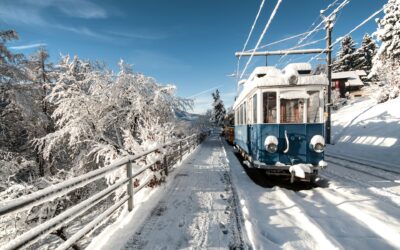
Ice-covered steps, slick walkways, and snow buildup are all common during Colorado winters. When a train breaks down or needs to be cleared out fast, passengers often have to walk along icy paths that aren’t always treated or safe. Even walking just a few feet from the train can be dangerous if traction is poor.
2. Crowded Conditions
Evacuations during rush hours make things worse. Trains are packed, and once people start getting off, panic and pushing can increase. Without clear instructions or enough space, this can lead to falls, twisted ankles, or even trampling in serious cases.
3. Poor Maintenance
Evacuation routes on and near the train need regular checks, especially during winter. If exit doors don’t work right, emergency lighting fails, or ramps and handrails are worn out or frozen, safety goes downhill fast. Passengers can injure themselves on broken steps or slippery platform edges.
To picture how quickly things can go wrong, think of someone trying to step off a train onto frozen tracks in regular shoes. With no help from staff, limited lighting, and snow coming down, one missed step turns into a fall with injuries that could take months to recover from.
When trains experience issues during the colder months, safety checks should come first. But with pressure on schedules and a full car of anxious passengers, that doesn’t always happen soon enough. Recognizing the risks around winter evacuations is the first step to safer travel.
Legal Rights And Protections In Aurora
Passengers on trains in Aurora have legal protections under Colorado law, especially when they suffer injuries during evacuations. Train operators owe a duty of care to their riders, which means they must take reasonable steps to provide a safe travel experience, including during emergencies. When evacuations aren’t handled safely and injuries happen, there may be a case for negligence or failure to meet safety obligations.
Train companies must ensure that evacuation equipment, lighting, doors, and access points are in good working condition. Staff need to be trained in emergency procedures too. If any of these elements are missing or faulty and someone is hurt, there could be grounds to seek accountability. For example, if someone slips on an icy stairwell because it wasn’t treated or slip-resistant, that might be a sign of poor upkeep rather than a one-off accident.
Colorado law gives injured passengers the right to take legal action if those responsible for train safety don’t meet their obligations. This includes claims for medical expenses, missed work, or long-term effects from the injury. The burden often rests on the injured person to show how the harm happened and what kind of impact it had. That’s why the next steps taken after an injury can make a big difference.
Steps To Take After A Train Evacuation Injury In Denver
If you’re ever hurt during a train evacuation in Denver, staying calm is the first thing you’ll need. Whether the injury is minor or serious, getting help quickly can reduce the risk of things getting worse. There are a few key actions that should be taken right after the incident:
– Get medical attention, even if the injury seems small. Some conditions, like internal injuries or sprains, can worsen with time and may not hurt right away.
– Document the scene. Take photos or videos of where and how the injury happened. Icy steps, faulty handrails, or missing signage should be clearly captured if possible.
– Report the incident. Let train staff or first responders know what occurred. Ask for a written report or reference number if one is made.
– Look for witnesses. If there were other passengers nearby, ask for their names and contact info in case you need statements later.
– Keep records of any medical visits, time off work, or other expenses you face due to the injury.
Responding in a timely and clear way helps build a record of what occurred. It also helps when working with authorities or legal teams later on.
Getting Help With A Train Evacuation Injury Claim
When someone has been hurt during a train evacuation, understanding how to begin a claim can feel overwhelming. That’s where working with experienced legal support matters. Attorneys who focus on train accident injuries understand the rules and responsibilities train operators must follow. They can spot when something was missed, like poor equipment maintenance or unsafe evacuation procedures, and use that information to build a case.
Legal teams gather evidence, speak with witnesses, and handle the paperwork and communication involved in claims. They keep things on track and push back when delays or denials get in the way. This can be especially important in cases involving serious or long-term injury, where fair compensation takes time and effort to secure.
People dealing with pain or trying to recover shouldn’t have to take all of that on themselves. With the right help, they’re better able to focus on getting better.
How To Travel More Safely During Train Evacuations
Staying alert and aware plays a big part in reducing the risk of injury during an emergency. While passengers can’t prevent all accidents, they can take a few simple steps to stay safer if an evacuation occurs:
– Wear shoes with good traction in cold months
– Listen for instructions and follow staff guidance
– Don’t rush or push to exit faster
– Use handrails when stepping down or climbing
– Avoid standing near doors until it’s your turn to leave
Trains are a big part of daily life for people in Aurora and Denver. Accidents may not happen often, but they can catch people off-guard when they do. Staying ready and knowing what to do when the unexpected hits helps reduce risk. The more you know about your rights and options, the better prepared you are to respond when every second counts.
If you’re recovering from a train accident in Denver and are unsure of your next steps, Cave Law can help you understand your rights and guide you through the legal process. Having the right support makes a difference, especially when dealing with injuries and unexpected challenges. Learn how we can assist you by exploring your options after a train accident in Denver.