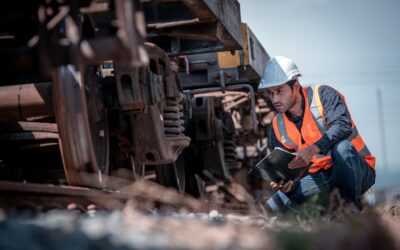

Train-to-train collisions aren’t something most people think about until they’re caught in one. The aftermath can be a mess emotionally and physically, and there’s usually a lot of confusion about what to do next. If you’re a passenger caught in this kind of crash in Denver, knowing your rights under Colorado law can help you stay grounded and take the right steps.
Train accidents come with more complications than people expect. You’re not dealing with something simple like a fender bender. There might be multiple companies involved, government agencies, long investigations, and injuries that don’t show up right away. That’s why learning how passenger rights work in a collision like this is a smart move. It gives you a clearer path toward getting care, staying informed, and protecting your future.
Understanding Your Legal Rights
In a train-to-train crash, figuring out who’s legally responsible can get confusing fast. But passengers aren’t left out in the cold. Under Colorado law, injured passengers in Denver have the right to seek compensation when someone else is to blame for the accident. That might be the railroad company, an equipment supplier, or another third party. None of that should fall on you.
Your rights cover more than just immediate medical treatment. You’re also protected when it comes to longer-term health issues, emotional impact, and time missed from work. You don’t have to know the exact name of the law or memorize legal codes. What matters is knowing that these protections exist and how to use them.
This is where a train injury lawyer plays a big role. They help go through the paperwork, figure out who should be held responsible, and deal with insurance people who might try to downplay your claim. The process can move quickly, especially when multiple parties are pointing fingers. Without legal help, things that should be covered can fall through the cracks.
Even in Aurora, these same rights apply at both state and local levels. Public and private rail operators still have a duty to keep you safe. If they fail, and you’re injured because of that, you’re allowed to take legal action. Knowing this can give you a stronger sense of direction when things feel uncertain or overwhelming.
Immediate Steps After A Collision
What you do right after a train-to-train crash matters a lot. You may feel disoriented or even unhurt at first, but that doesn’t mean you’re okay. Some injuries are internal or show up hours or days later. Acting early protects both your health and your legal claim.
Here’s what to do if you were a passenger during the crash:
– Get medical help, even if you don’t think you’re badly hurt. Let the first responders check you out.
– If possible, take photos of the scene. That includes your surroundings, injuries, and anything unusual on the train.
– Collect names and contact info from other passengers around you. Their accounts may support your version of what happened.
– Report your experience to the train operator or any official on scene. Keep a copy of anything you submit.
– Don’t speak with insurance agents or railway investigators until you fully understand your rights.
Even something as simple as writing down what you remember can help down the line. After a crash, details can fade. But things like how fast the train felt, if you heard any loud noises before impact, or where you were sitting can all become useful. One passenger once described being jolted forward seconds before the crash, and that detail matched what later came out in an investigation. It helped prove the company had warning but didn’t stop the train in time.
Doing these things right after the collision won’t erase the pain or confusion, but they’ll help you build a stronger case if legal action becomes necessary. And they can give you a bit more control in a situation where everything else feels out of your hands.
Compensation And Claims Process
Once the dust settles after a train-to-train accident, the next big hurdle for injured passengers is figuring out what kind of compensation they may be entitled to. In Colorado, the law allows people hurt in these kinds of crashes to seek damages when another party’s negligence played a role in what happened. That includes injuries suffered onboard a passenger train during a collision with another train.
Your compensation could cover a wide range of things:
– Emergency medical care and follow-up visits
– Surgery, rehab, and physical therapy
– Lost income from missing work
– Ongoing pain, stress, or trauma caused by the accident
– Property damage, like broken items during the crash
To begin this process, you usually need to file a claim against whichever party may be responsible. That could be the railroad company, a maintenance contractor, or even a train parts manufacturer. Claims should be filed within the time allowed by Colorado law, and waiting too long might mean missing out on your right to recover anything.
One thing that often trips people up is that claims involving railway accidents can involve multiple layers, including federal transportation laws and local rules in places like Denver or Aurora. That’s where legal help is necessary. While you focus on recovery, a train injury lawyer can help gather medical records, file paperwork, and push the case forward. Without someone on your side, important deadlines or legal steps may get missed.
The Role Of A Train Injury Lawyer
Navigating train collision claims isn’t like filing a fender bender report. These incidents are far more complex. Investigations go deep and often involve government agencies, engineers, company lawyers, and adjusters working to limit what they pay. A train injury lawyer steps in to handle the stress so passengers don’t have to do it alone.
One of the biggest things a lawyer can do is figure out who’s actually responsible. Was it poor communication between conductors? Faulty signals? Equipment failures? Once it’s clear who played a part in the accident, the lawyer can file the right kind of claim on your behalf and ensure it gets attention.
Having legal support also means the burden of negotiating and talking to the other side is off your shoulders. The lawyer handles settlement talks, pushes back on lowball offers, and brings the case to court if needed. There was once a case where a passenger assumed the company’s settlement was fair until a lawyer stepped in and found extra medical issues that hadn’t been accounted for. With stronger documentation, they secured better compensation that supported the person long-term.
A good lawyer doesn’t just help with the money side. They also give injured passengers peace of mind. Understanding your rights is one thing. Having someone stand up for them is something else entirely.
Getting Through The Aftermath
The hours, days, and even months after a train accident can stick with you. The jolt, the fear, the questions circling in your head, none of that goes away quickly. That’s why it’s important to ground yourself in a plan. Know your rights, take the right steps, and don’t be afraid to ask for help when the paperwork, medical visits, and confusion start piling up.
You’re not expected to have all the answers, no passenger is. Whether you’re dealing with lingering pain or just trying to make decisions for your next steps, knowing your rights gives you structure during a difficult time. The more informed you are, the better you’ll be at protecting your future.
If you’re a Denver-area resident or visiting Colorado when something like this happens, your legal rights don’t change. The state has laws that support your ability to get help, and people in both Aurora and Denver have the same path to legal relief. Start by securing your health, then your legal footing.
Don’t carry the weight of what happened alone. Passengers deserve to feel safe when traveling, and when that safety is broken, you’re allowed to do something about it. Denver riders shouldn’t have to guess whether their medical bills will get paid or if missed paychecks will be recovered. You have options and you deserve to use them.
If you’re dealing with the aftermath of a train collision in Denver and need help navigating your next steps, Cave Law is here to help. A skilled train injury lawyer can guide you through the claims process and fight to protect your rights from day one.