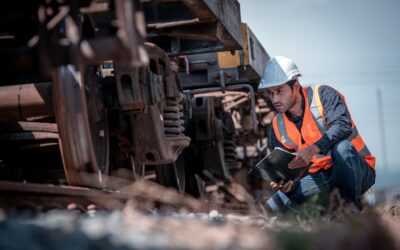

Train travel comes with risks that go beyond derailments or collisions. One of the more dangerous and less recognized hazards involves train car coupling—the process of connecting two train cars. These accidents happen more often than people think and can result in life-changing injuries or even death. Denver, with its busy freight and commuter lines, sees added risk due to frequent operations and aging infrastructure.
Train car coupling accidents don’t just involve a mechanical slip-up. Errors or skipped safety steps can lead to serious consequences for workers and sometimes nearby passengers or bystanders. Understanding how these accidents occur, the kinds of injuries they lead to, and the laws in place to protect victims in Denver is critical.
Understanding Train Car Coupling Accidents
Coupling involves locking two train cars together at connecting points. Sounds simple, but it requires coordination, timing, and attention to detail. At each end of a railcar, couplers must align and securely lock. When this process fails—whether through human error or mechanical fault—accidents happen quickly and with major consequences.
Most of these accidents take place in rail yards, depots, or while freight trains are being assembled. In Denver’s older rail yards and dense transportation hubs, coupling dangers grow worse when equipment isn’t updated regularly or training falls by the wayside. What might look like routine work can turn deadly in a split second.
Here are some common causes of coupling accidents:
– Old or defective coupling gear that breaks during connection
– Neglect of required safety checks or rushed procedures
– Poor judgment in spacing or timing by operators
– Dim lighting or hard-to-see areas during night shifts
– Miscommunication between crew members on manual tasks
Picture a rail worker trying to guide a car into place after sunset. If lighting is poor and signals get misunderstood, something as simple as a slow roll can trap or strike someone. It doesn’t take much when thousands of pounds of metal are involved.
These aren’t just freak accidents—they may involve legal accountability. In many cases, there are warning signs, past issues with equipment, or skipped steps that should have prevented the event.
Potential Injuries From Coupling Accidents
Injuries from coupling incidents tend to be serious. The area where train cars meet has tight spaces and heavy parts moving with force. A small slip-up during coupling can lead to traumatic injury.
Injuries commonly reported in these accidents include:
– Crushed hands, feet, or limbs, often requiring amputation
– Broken bones in arms, legs, hips, or ribs
– Internal organ damage from being struck or trapped
– Head trauma or concussions caused by falling or being hit
– Deep cuts caused by sharp edges or snapping equipment
These injuries almost always need emergency care. In serious situations, victims could face surgery, long-term rehab, or permanent disabilities. The physical pain is only part of the hardship. It’s common for survivors to develop ongoing mental health challenges like anxiety, nightmares, or fear around trains, especially if they witnessed someone else’s injury or faced a close call.
Daily life changes fast after such an accident. There’s time off work, medical bills, and uncertainty about how or if your employer will support your recovery. In Denver, where some train yards are older and densely trafficked, those fears aren’t unreasonable. For many, fear lingers long after healing begins.
Understanding what can go wrong at that point where trains connect helps explain why these accidents must be taken seriously. Both emotionally and legally, they carry a heavy toll.
Legal Responsibilities and Liabilities in Denver
In Colorado, including Denver, train companies and employers must follow state and federal rules that protect workers and the public. When it comes to coupling accidents, this means maintaining equipment, training staff properly, and using clear safety procedures. If they miss the mark, they can be held responsible under personal injury or premises liability laws.
Operators and companies have a duty of care. That means they are responsible for taking reasonable steps to protect the safety of everyone near or on a train. If broken couplers were known about but ignored, or if safety training was skipped, that could be a violation of that duty. Victims may be able to file a personal injury claim if negligence played a role in what happened.
Colorado follows a comparative fault rule. This means if the injured person shares any part of the blame for the accident, their potential damages can be reduced. Let’s say someone walked into a restricted area. If they were 20 percent at fault, their final compensation could be reduced by that amount. But having some blame doesn’t automatically cancel the claim.
Proving who is at fault typically requires looking at training records, maintenance history, and witness statements. These cases benefit from early investigation while evidence is still fresh. Families and injured workers should never feel like they’re facing this alone.
There’s also a time limit. In most cases, injury claims in Colorado must be filed within two years from the accident date. That means anyone involved in a coupling injury needs to act quickly to build their case and protect their rights.
Steps to Take After a Coupling Accident
If you’re hurt during a coupling accident, what you do next makes a difference. The first few hours after an incident are critical, both for your health and any legal case you might pursue down the line.
Here’s what to do after a train coupling injury:
1. Get medical attention immediately. Don’t wait for symptoms to get worse.
2. Report the accident to your employer or site manager right away.
3. Take clear photos or videos of the site, damaged parts, and your injuries.
4. Find and speak to witnesses. Get their names and contact information.
5. Ask for a written copy of the official accident report.
Avoid giving statements to insurance representatives or company lawyers until speaking with your own legal support. These professionals often work to limit the company’s exposure and reduce how much they pay. An experienced train accident attorney can protect your interests and guide how to respond, especially when there’s pressure to settle quickly.
Acting fast can also ensure stronger evidence and better witness recall. The longer you wait, the harder these accidents are to document clearly.
Making Trains Safer for Everyone
Information helps, but action changes outcomes. Many coupling accidents in Denver could be prevented with better safety steps. That means rail operators and companies need to improve lighting during darker shifts, ensure daily maintenance checks are done, and create stronger communication between crews.
There should never be a sense of urgency that makes workers skip steps. Trains can’t afford to be late at the cost of someone’s well-being. Taking an extra moment to confirm a lock holds or that the spacing is right can mean the difference between a safe task and a deadly incident.
For anyone living or working near rail activity, here are a few safety tips:
– Always stay behind yellow lines or fences near tracks
– Never walk between railcars, even if they seem still
– Don’t assume operators can see or hear you
– Keep volume low when walking near working trains
– Be cautious of slippery surfaces, especially late in the year
As November brings shorter days and early-morning frost, rail yards in Denver get more dangerous. Slips and reduced visibility add to the risks of a job built around heavy moving parts. But most of those dangers can be avoided when teams stay alert and stick to safe procedures.
Even if you’re not a rail worker, knowing the warning signs and staying cautious can help prevent future accidents. Safety might start with a policy, but it takes daily habits to protect everyone around the tracks.
Train car coupling accidents can cause serious injuries and confusion. If you or someone close to you has been hurt in one of these incidents in Denver, knowing your rights under Colorado law is key. At Cave Law, our experienced train accident lawyers can help you figure out your next steps and make sure you’re not facing the legal process alone. Let us stand by your side and work to get you the support you deserve.
We Can Help.
Get a Free Consultation with Cave Law
Free consultation. We serve Aurora, Parker, Denver.