Move Fast After a Crash or Risk Losing Key Proof
After a car crash in Aurora, things move quickly. Cars get towed, glass gets swept away, and bad weather can wash out skid marks in a single afternoon. If your car goes to a body shop, damaged parts may be repaired or thrown out. Digital data can be overwritten without anyone meaning to do it.
All of that matters because photos, videos, and electronic data often decide who the insurance company believes. When an adjuster argues about who caused the crash or how badly you were hurt, clear evidence can make a big difference. Car accident lawyers in Aurora, Colorado rely on that proof to build strong claims and to stand up to insurance companies.
In this guide, we explain what to photograph at the scene, what to download from your car and devices, and what official records to request before they are gone for good.
Smart Scene Photos That Strengthen Your Claim
If you are safe enough to move and use your phone, start by capturing the big picture of the crash scene. Try to show how everything fits together, not just close-ups of your car. Helpful wide shots include all vehicles from different angles, the intersection or roadway (including lanes and turn bays), and any traffic lights, stop signs, or yield signs. You should also capture skid marks, debris, and where each car ended up, along with the weather and lighting conditions such as bright sun, rain, or dusk light.
These wider photos help explain how the crash happened. They can support your memory later, especially if the other driver tells a very different story.
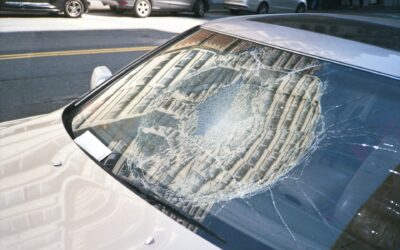
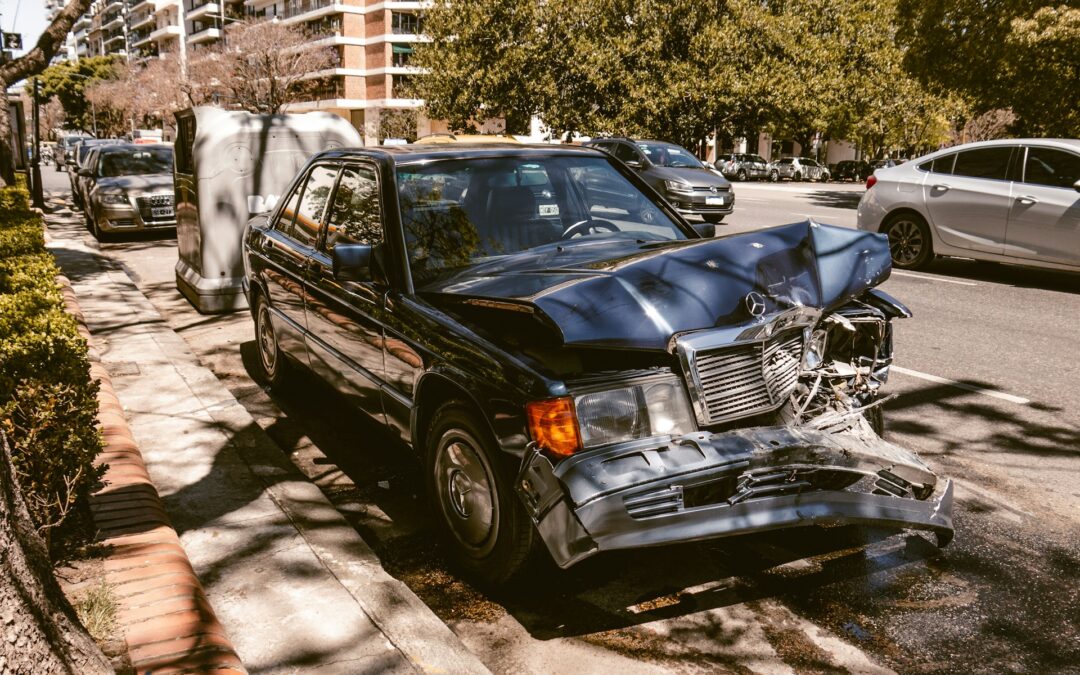
After you capture the scene layout, zoom in on details that show impact, identity, and harm. Take clear close photos of vehicle damage (including dents, crumpled panels, and broken lights), deployed airbags, broken glass, and bent wheels. Also photograph license plates on every involved vehicle, any fluid spills on the pavement, and visible injuries like bruises, cuts, and seatbelt marks.
If the road itself looks unsafe, photograph that too, especially anything that might have contributed to the crash or made the area more dangerous. This can include:
- Potholes or uneven pavement
- Construction areas and cones
- Faded lane lines or blocked views
- Obscured or twisted road signs
It also helps to document potential video sources while you are still there, because many systems record over footage quickly. Look around for anything that might have video, including:
- Traffic cameras on poles or at intersections
- Nearby gas stations, stores, or office buildings that may have security cameras
- Rideshare pickup areas or parking lots with posted cameras
Finally, do not forget people and information. If it is safe and everyone is calm, you can photograph:
- Driver’s licenses and insurance cards, with permission
- License plates on witness vehicles
- Contact details written on paper
- Any text messages that show the other driver admitting fault
These photos help lock in details while your memory is still fresh.
Using Your Phone Wisely at the Crash Scene
Your phone is more than just a camera. If you use it the right way, it can help protect your claim from the start.
Short videos can be especially helpful because they capture movement, spacing, and timing in a way still photos may not. Walk slowly around the scene and record vehicle positions before they are moved, traffic flow (like whether cars are backed up or zipping by), and any unusual behavior such as slurred speech, aggression, or stumbling. You can also record your calm explanation of what just happened.
Speak clearly and simply. Say where you are, where you were coming from, and what you saw the other driver do. This can help if your memory gets fuzzy later.
Use your phone to save information fast:
- Add witnesses as new contacts and label them, such as “Crash Witness”
- Take screenshots of exchanged insurance cards and license plates
- Turn on automatic cloud backups, if you have them, so nothing is lost if your phone is damaged
Conditions on Colorado roads can change quickly, especially with summer storms or holiday traffic. If those factors may have played a role, try to record heavy or backed-up traffic, lane closures for road work, standing water, gravel, or loose dirt on the road, and fading daylight, glare, or shadows that affect visibility.
Be careful about what you post. Avoid:
- Posting crash photos or videos on social media
- Apologizing in texts, even if you feel bad
- Guessing about speed, fault, or what you “should have done”
Insurance companies may look for those posts later and twist your words.
Protecting Vehicle Data, Dashcam Clips, and Phone Records
Many newer cars have an event data recorder, often called a black box. It can record speed and braking just before impact, seatbelt use, and airbag deployment.
This data can be very helpful, but it is not permanent. It can be lost if the car is repaired and parts are replaced, the car is totaled and sent to a salvage yard, or the memory is overwritten after more driving.
If your car has a dashcam, that video may be even more powerful than photos. Right after the crash, do your best to:
- Stop the dashcam from recording over the footage
- Save the clip to another device or to the cloud
- Label the file with the date, time, and location
- Keep the memory card safe and do not reformat it
Other cameras can help too, such as rideshare dashcams or fleet cameras in work vehicles. Car accident lawyers in Aurora, Colorado often use this kind of video to support a client’s case.
Your phone and apps can also hold useful information, including GPS or map history showing your route, rideshare trip logs if you were a passenger or driver, and call logs and text timestamps showing when you were using your phone.
To avoid accidentally destroying that information, try not to factory-reset your phone, switch carriers without backing up your data, or delete apps that might hold location or trip records.
An attorney can step in to send preservation letters to rideshare companies, trucking companies, or other businesses. These letters ask them not to delete GPS logs, telematics, or dashcam footage that may relate to your crash.
Requesting 911 Audio, Bodycam, and Traffic Camera Footage
Some of the most powerful evidence never sits on your phone at all. It lives with police, dispatch centers, or local agencies, and it can be deleted if no one asks for it in time.
911 call recordings can:
- Capture real-time descriptions of the crash
- Include the tone of a caller’s voice
- Show what witnesses said before anyone had time to think about blame
- Reveal comments about speeding, swerving, or intoxication
Many agencies only keep these recordings for a short time, so the faster you request them, the better.
Police bodycam and dashcam videos can also be important. They may show how the scene looked when officers arrived, vehicle positions, skid marks, and debris, and they may include field sobriety tests or breath tests. These videos can also capture early statements by drivers and witnesses, which sometimes become disputed later.
Each local agency, such as one in Aurora or Parker, may have its own rules, forms, and deadlines for records requests.
Traffic cameras, red-light cameras, and business cameras often record over old footage fast. Some private businesses keep clips only a few days unless someone asks them to save it. At the scene, try to notice:
- Cameras on traffic poles
- Cameras on nearby buildings, gas stations, or parking lots
- Security cameras pointing toward the roadway
A lawyer who knows Colorado records rules can request 911 audio, bodycam footage, and traffic video in a way that fits local and state laws. That can improve the chance that important clips are found and shared before they are gone.
ACT Now to Protect Your Rights After a Colorado Crash
After a crash in Aurora or anywhere in Colorado, the clock starts ticking on your evidence. Skid marks fade, cars are repaired, and digital systems record new data on top of old records. What you do in the first hours and days can have a big impact on your injury claim later.
A simple action checklist looks like this:
- Photograph the scene, vehicles, road, and injuries from many angles
- Take short videos and safely record traffic, behavior, and conditions
- Save dashcam footage, phone data, and trip logs before they are erased
- Stay off social media and avoid blaming yourself in messages
- Ask an experienced car accident lawyer to help request 911, bodycam, and camera footage quickly
At Cave Law, we focus on helping car crash victims in Aurora, Parker, and the Denver Tech Center protect their rights. Preserving evidence early allows us to give honest guidance, keep close communication with our clients, and use trial-tested advocacy to stand up to insurance companies.
Get the Legal Support You Need After a Crash
If you were hurt in a collision, our team at Cave Law is ready to listen, review your situation, and explain your options clearly. Our experienced car accident lawyers in Aurora, Colorado can handle the legal details so you can focus on healing. Reach out today to discuss your case in a free consultation, with no obligation. You can also contact us to schedule a time that works best for you.
We Can Help.
Get a Free Consultation with Cave Law
Free consultation. We serve Aurora, Parker, Denver.