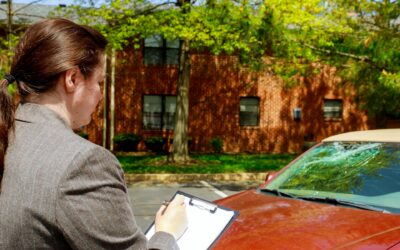
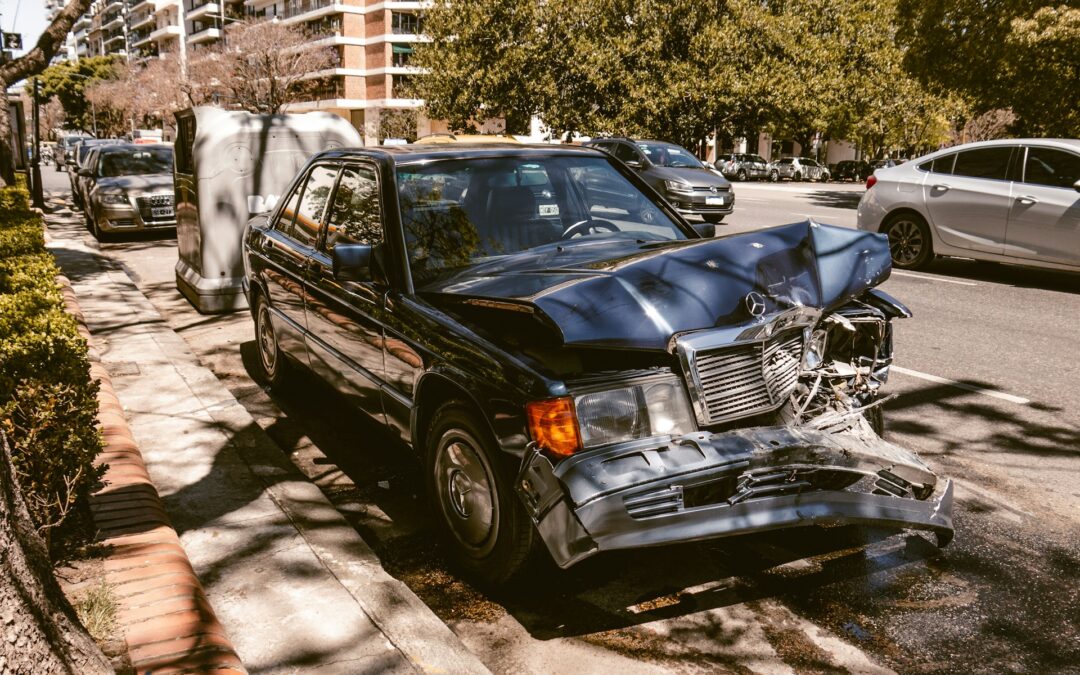
Preserving evidence car crash claims rely on starts in the first hours, because the proof you need disappears almost immediately. Cars get towed, glass gets swept off the road, and a summer storm can wash away skid marks before lunch. Photos, videos, and electronic data often decide whether the insurance company believes your version of events. This guide walks you through what to capture, what to save, and what records to request before they are gone.
Key Takeaways
- Photograph the full scene from wide angles and close-ups, including vehicle positions, road conditions, and visible injuries, before anything is moved.
- Save dashcam clips, event data recorder readings, and phone trip logs quickly, because these systems overwrite themselves with continued use.
- Request 911 audio, police bodycam video, and traffic camera footage fast, because agencies and businesses often delete them within days.
Why Preserving Evidence After a Car Crash Decides Your Claim
When an adjuster argues about who caused the collision or how badly you were hurt, clear evidence settles the dispute. Our attorneys have spent over 17 years building claims around the proof that survives the chaos of a crash scene. We once recovered for a client whose entire case turned on a single gas station security clip that nearly recorded over itself within 72 hours.
Skid marks fade. Damaged parts get replaced at the body shop. Black box data gets overwritten with every mile you drive afterward. The faster you act, the more your Car Accidents claim stands on facts instead of dueling memories.
Smart Scene Photos That Strengthen Your Claim
If you are safe to move and use your phone, start with the big picture. Wide shots explain how the crash happened in a way close-ups cannot. Capture all vehicles from several angles, the intersection or roadway including lanes and turn bays, and any traffic lights, stop signs, or yield signs.
Then move in close on the details that show impact and identity. Photograph vehicle damage, deployed airbags, broken glass, and bent wheels. Get the license plates on every vehicle, fluid spills on the pavement, and visible injuries such as bruises, cuts, and seatbelt marks.
If the road itself looks unsafe, document that too. Three things worth capturing:
- Potholes, uneven pavement, or loose gravel
- Construction areas, cones, and lane closures
- Faded lane lines or obscured road signs
Look for video sources while you are still there, since many systems record over footage within days. Note traffic cameras on poles, security cameras at nearby gas stations or stores, and cameras in parking lots facing the road.
Common Mistake
Do not post crash photos or videos on social media, and do not apologize in texts even if you feel terrible. Insurance companies search for those posts and use your own words to reduce or deny your claim.
Using Your Phone Wisely at the Scene
Your phone does more than take pictures. Short videos capture movement, spacing, and timing that still photos miss. Walk slowly around the scene and record vehicle positions before they are moved, the flow of traffic, and any unusual behavior such as slurred speech or stumbling.
Speak clearly into the video. Say where you are, where you were coming from, and what you saw the other driver do. This helps if your memory blurs later, which is common after the adrenaline fades. Some people feel fine at the scene and then develop symptoms hours later, which is why we tell clients to read up on Delayed Pain After an Aurora Crash.
Save information fast. Add witnesses as new contacts and label them clearly. Screenshot the insurance cards and license plates you exchange. Turn on cloud backup so nothing is lost if your phone is damaged.
Protecting Vehicle Data, Dashcam Clips, and Phone Records
Many newer cars carry an event data recorder, often called a black box. It can record speed and braking just before impact, seatbelt use, and airbag deployment. The National Highway Traffic Safety Administration explains how these recorders work and what they capture on its event data recorder page.
That data is not permanent. It can vanish when the car is repaired and parts are replaced, when the vehicle is totaled and hauled to a salvage yard, or when continued driving overwrites the memory.
If your car has a dashcam, that video can outweigh any photo. Right after the crash:
- Stop the dashcam from recording over the footage
- Save the clip to another device or the cloud and label it with date, time, and location
- Keep the memory card safe and never reformat it
Your phone holds useful records too, including GPS history showing your route, rideshare trip logs, and call and text timestamps. Avoid factory-resetting your phone or switching carriers without backing up first. An attorney can send preservation letters to rideshare companies, trucking firms, or businesses, demanding they keep GPS logs, telematics, and camera footage. That matters in Rideshare Accidents and other cases where a company controls the data.
Requesting 911 Audio, Bodycam, and Traffic Footage
Some of the strongest evidence never touches your phone. It sits with police, dispatch centers, and local agencies, and it disappears if no one asks in time.
911 call recordings capture real-time descriptions, the tone of a caller’s voice, and comments about speeding, swerving, or intoxication before anyone had time to spin the story. Many agencies keep these recordings only briefly.
Police bodycam and dashcam video can show how the scene looked when officers arrived, vehicle positions, and any field sobriety tests. These videos often capture early statements that get disputed later.
What to Do Now
Write down every camera you saw near the crash, including business and traffic cameras, within the first day. Call an attorney quickly so preservation requests reach those agencies and businesses before the footage is erased.
Traffic cameras, red-light cameras, and business cameras overwrite footage fast. Each agency in Aurora, Parker, or Centennial sets its own rules, forms, and deadlines for records requests. A lawyer who knows Colorado records rules can request 911 audio, bodycam video, and traffic footage in a way that follows local and state law, which improves the odds the clips are found and shared before they are gone.
Acting Fast to Protect Your Claim by Preserving Evidence After a Car Crash
Preserving evidence car crash claims rely on starts the moment the vehicles stop. What you do in the first hours and days shapes what your case looks like months later. Photograph the scene, vehicles, road, and injuries from many angles. Save dashcam footage, phone data, and trip logs before anything overwrites them. Stay off social media, and ask an experienced lawyer to request 911, bodycam, and camera footage quickly. If you are ready to talk through your situation, call our team at Cave Law at (303) 680-9000 for a free consultation.
We Can Help.
Get a Free Consultation with Cave Law LLC
Free consultation. We serve Aurora, Denver, Centennial, Englewood, Littleton, Parker, Castle Rock.
Frequently Asked Questions
What is the hardest injury to prove after a car accident?
Soft tissue injuries and concussions are usually the hardest to prove, because they often do not show up on standard X-rays. Insurers question whiplash, back strains, and mild traumatic brain injuries when imaging looks normal. Consistent medical records, treatment from the start, and documentation of how symptoms affect your daily life in Aurora make these claims far stronger. Our attorneys frequently work with treating doctors to connect the crash to the injury.
What is the average settlement for a car accident in Colorado?
There is no reliable average, because settlements depend on the severity of injuries, medical costs, lost wages, and who was at fault. A minor soft tissue claim may resolve for a few thousand dollars, while a serious injury or wrongful death case can reach far higher. Anyone quoting a single average is guessing. Your case is worth what your documented damages and the facts support, which is why preserving evidence early matters so much.
What is the 3 second rule in Colorado?
The three second rule is a following distance guideline. You pick a fixed object ahead, and when the car in front of you passes it, you should not reach that same point for at least three seconds. This buffer gives you time to brake safely. In rain, snow, or heavy Denver-area traffic, drivers should extend that gap. A driver who tailgates and rear-ends you has likely violated this safe-distance principle.
How much will I get from a $50,000 settlement?
Your take-home amount depends on attorney fees, medical liens, and unpaid bills that come out of the gross settlement. If your fee agreement is one third, that portion goes to legal fees, and outstanding medical providers or health insurers may also claim repayment. What remains after those deductions is your net recovery. A good attorney works to reduce liens so more of the settlement stays with you, and will explain every line item before you sign.
Last reviewed by , Personal Injury Attorney — June 29, 2026. serves Aurora, Denver, Centennial, Englewood, Littleton, Parker, Castle Rock. Content is for informational purposes. Laws may change; consult an attorney for advice specific to your situation.