
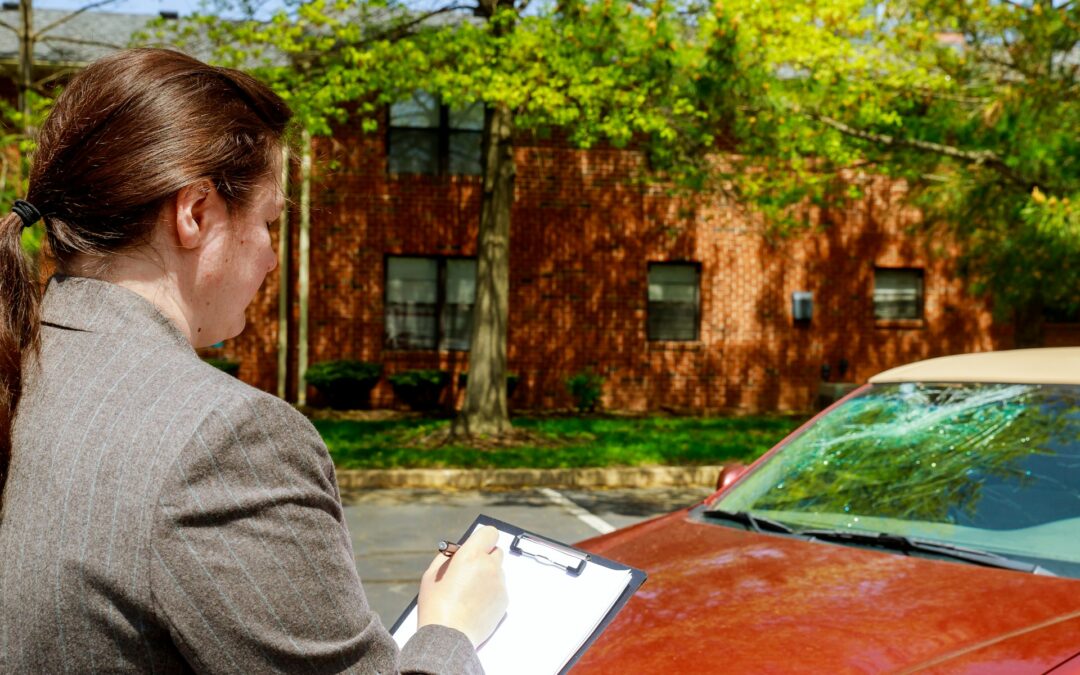
After a car crash in Aurora, most people expect to deal with doctors, body shops, and insurance paperwork. Few expect someone sitting in a parked car outside their home with a camera, or a claims adjuster scrolling through their Facebook profile looking for anything to use against them.
Insurance surveillance is a standard practice after serious collisions, and it can damage a valid injury claim if you are not prepared. Here is how it works, what insurers are looking for, and how to protect yourself.
Key Takeaways
- Insurance companies routinely hire investigators to follow, film, and monitor crash victims after serious collisions in Aurora and the Denver metro.
- A single out-of-context video clip of you carrying groceries or playing with your kids can be used to argue your injuries are exaggerated.
- Social media is monitored as closely as physical activity. Public posts, check-ins, and tagged photos are all fair game.
- Following your doctor’s instructions exactly and keeping a daily pain journal are two of the strongest defenses against surveillance being used to hurt your claim.
Why Insurance Companies Watch You After an Aurora Car Accident
Every serious injury claim is a cost the insurance company wants to reduce. Their adjusters and investigators look for anything that suggests your injuries are exaggerated, unrelated to the crash, or healing faster than your medical records show.
Surveillance is more likely when:
- Your medical bills are high or treatment is expected to last months
- You cannot work or need ongoing help at home
- There is a dispute about who caused the crash
- You have visible damage to your vehicle suggesting a high-impact collision
Colorado is an at-fault state. You must prove the other driver was negligent and that the crash caused your injuries and losses. From the insurer’s perspective, that makes every detail of your daily life a potential tool for disputing your claim.
High-traffic corridors around Aurora like I-225 and E-470 produce serious collisions regularly, especially during good weather when road volume increases. When a crash sends someone to the hospital or keeps them off work for weeks, insurers often send an investigator to start watching.
Watch Out
Surveillance can start within days of your crash, sometimes before you even file a claim. If you notice an unfamiliar vehicle parked near your home or someone photographing you in public, do not confront them. Document what you see (vehicle description, license plate, dates and times) and tell your attorney immediately.
Common Surveillance Tactics Used by Insurance Investigators
Physical surveillance usually looks boring from the outside. An investigator sits in a parked car near your home, your doctor’s office, or your kids’ school. They film short clips of you walking, lifting, bending, or carrying objects.
Physical tactics include:
- Parking near your home or apartment and recording who comes and goes
- Following you to medical appointments, grocery stores, or family events
- Filming you doing routine tasks like loading bags into a car, walking a dog, or pushing a stroller
Digital and social media monitoring is equally common. Investigators and adjusters will:
- Search your public Facebook, Instagram, TikTok, and X profiles
- Save photos, stories, or videos showing you standing, smiling, traveling, or attending events
- Check tagged posts and location check-ins from friends and family
“Soft” surveillance feels friendly at first but serves the same purpose:
- Adjusters calling to “check in” and asking how you are feeling
- Requests for recorded statements about your daily activities
- Broad authorization forms requesting full access to your entire medical history
Some of this is legal when it happens in public spaces or involves information you share openly. But deceptive, harassing, or overly intrusive methods can cross the line. Car accident lawyers in Aurora, Colorado can challenge surveillance that goes too far.
How Normal Activities Get Twisted Against You
After a crash, life does not stop. You still need to care for kids, buy food, and maintain some routine. Insurance companies know this, and they count on catching moments that look normal on camera but tell nothing about your actual pain levels or limitations.
Activities that get taken out of context:
- Carrying a child or a bag of groceries for 30 seconds
- Smiling and standing at a family gathering
- Taking a short walk on a day when pain happens to be lower than usual
- Bending over once to pick something up off the ground
Neck, back, and joint injuries have good days and bad days. You might manage an hour of light activity, then spend the rest of the evening on the couch with ice packs. A 10-second video clip does not show the flare-ups, the medication you took beforehand, the sleep you lost that night, or the appointment you cancelled the next morning.
How Insurers Use This
Adjusters compare surveillance footage against your medical records, your deposition testimony, and any recorded statements you gave. If anything appears inconsistent, even slightly and out of context, they argue you are not credible. Juries can give too much weight to a short video that seems to show you functioning normally when your medical chart tells a very different story.
Protecting Yourself from Insurance Surveillance
You cannot prevent an insurer from trying to watch you. You can make their footage far less useful.
Lock down your social media. Do not post about the crash, your injuries, or your case. Avoid sharing photos of physical activities, travel, or social events. Raise your privacy settings on every platform. Ask friends and family not to tag you or share photos of you without checking first.
Follow medical instructions exactly. If your doctor says do not lift, push, twist, or run, do not test those limits on a day you feel slightly better. Keep every appointment. Take medication as prescribed. Report flare-ups and changes to your providers so they are documented.
Keep a daily pain journal. Note:
- Your pain level on a 1-10 scale
- What activities you attempted and for how long
- How you felt during, immediately after, and the next day
- Any medications taken and whether they helped
- Sleep quality and any disruptions from pain
That record explains to a jury why a 10-second surveillance clip does not represent your full day. It also gives your attorney a detailed timeline to compare against any footage the insurer produces.
Before giving any recorded statement or signing insurance documents, talk with experienced car accident lawyers in Aurora, Colorado. A short conversation can prevent mistakes that are difficult to undo.
How Cave Law Fights Back Against Surveillance Tactics
We handle serious car accident cases from Aurora, Parker, Centennial, and across the Denver metro. Surveillance shows up in many of them. We know the playbook insurers use, and we know how to counter it.
When surveillance footage appears in a case, we:
- Review every second of footage frame by frame
- Compare it against the full timeline of your medical treatment and recovery
- Identify what the video deliberately does not show: pain levels, recovery time afterward, medication use, and limited range of motion
- Challenge edited footage that cherry-picks “highlight” moments from hours of recording
We also prepare clients to explain their injuries clearly and honestly. That means walking through how a short burst of effort differs from sustained daily function, how a single “good” hour fits into an overall pattern of pain, and what happened in the hours and days after the activity the insurer filmed.
When insurers push too hard on surveillance to avoid paying fairly, we challenge it in negotiations and, when needed, in front of a jury.
We Can Help.
Get a Free Consultation with Cave Law LLC
Free consultation. We serve Aurora, Denver, Centennial, Englewood, Littleton, Parker, Castle Rock.
Frequently Asked Questions
Can insurance companies legally spy on me after a car accident?
In Colorado, insurance companies can legally observe you in public places and monitor publicly available social media. They can hire private investigators to follow you, photograph you, and record video of your activities in public. They cannot trespass on private property, use hidden cameras inside your home, or access private social media accounts without authorization. If you believe an investigator is harassing you or entering private property, document the behavior and contact your attorney.
Should I delete my social media after a car accident?
Do not delete social media accounts or posts after a crash. Deleting content after an accident could be considered spoliation of evidence, which can result in court sanctions or negative inferences drawn against you. Instead, set all profiles to private, stop posting new content related to physical activities or social events, and ask friends and family not to tag you. Let your attorney know about your online presence so they can advise you on what to keep, what to adjust, and how to handle requests from the insurance company for social media access.
What should I do if I notice someone following me after my crash?
Stay calm and do not confront the person. Write down the vehicle make, model, color, and license plate number. Note the date, time, and location. If the same vehicle appears multiple times near your home, your doctor’s office, or your workplace, photograph it from a safe distance. Report what you observed to your attorney right away. If you feel physically threatened or unsafe, call 911. Most surveillance investigators keep their distance, but you have every right to report behavior that feels threatening or invasive.
Can surveillance footage be thrown out of my injury case?
Surveillance footage can be challenged in court. Your attorney can argue that the footage is misleading, selectively edited, or taken out of context. For example, a two-minute clip of you walking normally does not disprove months of documented pain and medical treatment. Judges can exclude footage that is more prejudicial than probative, and your attorney can present your medical records, pain journal, and testimony alongside the footage to give the full picture. The goal is making sure a jury sees the complete story, not a curated highlight reel.
Last reviewed by Jeremy Cave, Personal Injury Attorney — July 2026. Cave Law serves Aurora, Parker, Denver. Content is for informational purposes. Laws may change; consult an attorney for advice specific to your situation.