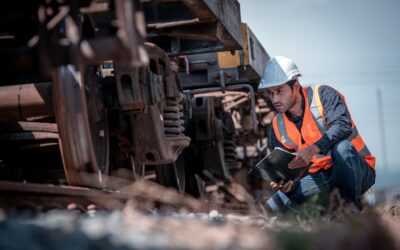

Working on the railroad comes with long shifts, moving parts, and more danger than most jobs. In cities like Aurora, where train lines run through busy routes and shifting weather, that danger can feel even more real. Whether it’s a minor slip or something much more serious, train workers usually face risks that need immediate attention. What many don’t always realize, though, is that Colorado law gives railroad workers a set of legal rights after a workplace accident, and those rights matter.
Knowing what to do after an injury can save a lot of headache down the line. Getting hurt while working on or around trains doesn’t just mean pain and time off. It can also bring big costs and job stress if things aren’t handled right. That’s why it’s important for train workers in Aurora to understand steps they can take, where the law stands, and how to protect themselves and their future.
Common Types Of Train Worker Accidents
Train yard jobs, maintenance crews, engineers, and conductors all deal with conditions that aren’t always safe. Between moving machinery, uneven surfaces, and tight schedules, it’s easy for something to go sideways. Although no two accidents are exactly the same, certain injuries seem to happen over and over again in rail work.
Here are some common ways railroad employees get injured on the job:
– Slips and falls: Snow, rain, and grease on train steps, walkways, or platforms can lead to hard falls. Aurora’s fall and early winter months bring icy mornings that only make this worse
– Equipment failure: When brakes stop working right or a signal doesn’t show up when it should, mistakes happen fast. If a machine isn’t serviced regularly, it may give out with no warning
– Train collisions: Some workers are hit while coupling or uncoupling cars or during switching operations. Sometimes it’s caused by a miscommunication
– Falling objects: Gear that isn’t properly loaded or secured can fall and cause head or back injuries
– Electrical shocks or burns: Workers doing repairs on systems with exposed wiring are sometimes injured if the power isn’t fully cut off
One example would be a maintenance crew member in Aurora who was walking between cars during a light snow. The rail surface was slick, his boots didn’t have much grip left, and he ended up with a bad hip injury after falling backward. The train hadn’t been salted, and no warning signs were posted. That’s the kind of accident that could’ve been avoided if safety checks were handled right for the weather.
Even if an accident seems small at the moment, some issues like muscle injuries or joint pain don’t show up right away. Always take these incidents seriously. Knowing the common accident types helps workers spot warning signs early and keep themselves safer over time.
Legal Protections And Rights For Train Workers In Aurora
Getting hurt on the job doesn’t just stop with pain or doctor visits. It sets off a whole chain of events where being informed makes a big difference. In Aurora and across Colorado, train workers are protected under specific laws when they’ve been injured while working. One of the main laws written for railroad workers is the Federal Employers’ Liability Act, or FELA. Unlike workers’ compensation, FELA requires that a claim show the railroad company was somewhat at fault, but it also allows for a broader range of damages.
Here’s how protections work for train employees in this area:
– FELA lets injured train workers file lawsuits directly if their employer was careless or didn’t offer a safe work setting
– It’s common for claims to include payment for medical costs, lost wages, and pain related to the injury, not just physical but emotional too
– Railroad companies have to provide proper training, working equipment, safe tracks, and regular inspections
– If safety rules were ignored or if the employer didn’t fix a known hazard, they can be held responsible for the injury
For Aurora-based train workers, it helps to know that even basic safety gear, like slip-resistant boots or gloves, should be supplied or required if weather temperatures drop or maintenance conditions change. If something feels off or unsafe, it probably is. Failing to act on it could violate state or federal law.
Colorado law takes workplace safety seriously. Waiting too long to file a legal claim, handing in incomplete reports, or seeing a doctor not familiar with workplace injury claims can all affect how much support a worker gets later. That’s why understanding the rules early helps protect someone’s health, income, and long-term path forward.
Steps To Take After A Train Accident
Right after an accident, what you do or don’t do can have a big impact on what comes next. The stress and confusion that follow can make it hard to think clearly, but keeping calm and acting quickly matters. Whether you’re dealing with serious injuries or smaller ones that seem minor, make sure you follow these steps right away:
1. Get medical attention immediately
Even if you feel okay, it’s best to go to a doctor. Some injuries don’t show up immediately, but a check-up can catch problems early. This also creates a medical record linking your injury to the accident
2. Report the injury to your supervisor
Let your supervisor know what happened as soon as you can. Be clear and stick to the facts. Ask for a copy of any report you fill out for your own records
3. Document everything you can
Take photos of injuries, the scene, and anything you believe caused the accident. If a safety hazard was involved like a broken step or slippery surface, take note. Write down names of anyone who saw what happened
4. Write down the details while they’re fresh
As soon as you can, record your own account. When did it happen? Where were you? What led up to it? These details fade fast, especially when things get busy
5. Talk to a railroad accident lawyer familiar with Aurora
You’ll want legal support from someone who understands how accidents like this unfold and knows how local and federal railroad laws apply. Not all injury claims are the same, and ones involving railroad companies have unique rules and deadlines
Handling things on your own can be overwhelming. Many workers think their injury will be covered automatically, but that’s not always the case. That’s why taking these steps early makes a big difference down the road, both in terms of health and accountability.
Benefits Of Hiring A Specialized Railroad Accident Lawyer
Railroad injury cases aren’t simple. There are specific federal laws and employer defenses that can complicate things fast. That’s where a lawyer experienced with these types of accidents in Aurora can step in to clear the way. These professionals know exactly how rail companies operate and what tricks they use to dodge blame.
Here’s what the right lawyer can do:
– Help collect strong evidence and make sure it’s filed properly
– Guide train workers through laws like FELA and Colorado safety rules
– Handle communication with the railroad company and its insurance team
– Push for fair compensation, whether it’s through a claim or in court
– Avoid simple missteps like missed deadlines or incomplete records that could hurt your case
For example, imagine a train conductor in Aurora who files their own injury report but forgets to include a certain detail because they assumed it didn’t matter. That one missing element might end up being the biggest issue if the railroad company tries to argue against the claim. An experienced lawyer knows what details can carry weight.
Having someone local also helps. They’re more likely to understand how Aurora courts handle injury claims and what kinds of arguments work best based on past outcomes. The back-and-forth with large railroad companies can be draining, and trying to get fair treatment on your own doesn’t always work out. That’s where a lawyer with knowledge of railroad law really makes a difference.
Staying Safe And Informed As A Train Worker
Even with all the right protections in place, train yards and tracks stay risky places to work. That doesn’t mean the danger has to be accepted as just part of the job. Staying aware of safety procedures and being proactive can go a long way toward staying injury-free.
A few things that help build a safer work life as a train employee:
– Regular safety training that’s adjusted when seasons change
– Open communication with supervisors when equipment is failing or an area is unsafe
– Double-checking gear before each shift, especially with fall and winter weather coming
– Practicing safe habits, like using handrails on train steps or not rushing through track crossings
Workers also benefit from knowing their rights and speaking up. If a task seems dangerous without enough support or the right gear, it’s okay to pause and report it. When workers keep their eyes open and share concerns, it helps everyone, not just themselves.
Safety isn’t a one-time check. It’s something that has to be built into daily habits and reinforced by employers. Being alert, asking questions, and keeping up with changes in safety rules help protect you and the crew you work with.
Your Rights Matter On And Off The Tracks
You deserve to feel safe while doing your job. Injuries may still happen, but knowing how to respond, what protections you have, and what steps to take builds a layer of defense around your health and income. Aurora workers aren’t alone when something goes wrong on the tracks or in the yard. Colorado law and federal protections exist to keep railroad companies accountable for unsafe conditions.
Every train worker should feel confident raising concerns, asking for help after an injury, or making sure their voice is heard if something wasn’t done right. If you ever find yourself hurt, confused, or unsure about the process, you don’t have to fight it alone.
Understanding your rights isn’t just about knowing the law. It’s about reminding yourself that your health and your future matter. Speaking up and taking action doesn’t just help you recover. It helps improve safety across the railroad industry, one step at a time.
If you’re dealing with injuries after a workplace train accident in Aurora, getting help from experienced railroad accident lawyers can make a real difference. Cave Law is here to guide you through your legal options and help you move forward with peace of mind.
We Can Help.
Get a Free Consultation with Cave Law LLC
Free consultation. We serve Aurora, Denver, Centennial, Englewood, Littleton, Parker, Castle Rock.