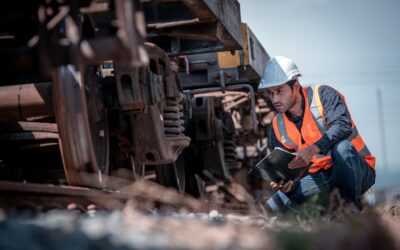

Train rides through Denver offer a convenient way to travel, but not everything behind the scenes runs as smoothly as it should. One small problem in the system, like a track switch not working right, can lead to something far more serious. In recent years, more light has been shed on this issue, especially as passengers and employees report sudden changes in ride quality, rough stops, or unexplained delays. When a switch doesn’t line up the right way, just thinking about what could go wrong is enough to make you question your next train trip.
Track switch malfunction isn’t only technical jargon. It’s something that affects real people. Residents in Denver who rely on trains for daily work or weekend travel deserve to feel safe. As fall rolls into early winter, the risk of equipment troubles rises. Cold weather can cause train parts to stiffen or wear out faster, including the switches that steer trains from one track to another. In places like Denver, where seasonal change happens quickly, train companies should stay ahead of track switch problems. When they don’t, train passengers are left vulnerable.
Common Causes Of Train Track Switch Malfunctions
To understand why a malfunction might happen, it helps to know what a track switch is. A train track switch is a part of the track system that lets a train move from one track to another. It’s made up of moving rails and mechanisms that guide the train in the right direction. If the switch doesn’t respond correctly, it might leave the train on the wrong path or jam part of the system entirely.
Some of the most common causes of these problems include:
– Mechanical failure: Just like any moving part, switches wear down. Rust, broken parts, or missing bolts can stop the switch from doing its job.
– Electrical issues: Many track switches are controlled from a distance through wires or computer systems. When there’s a short, power outage, or software glitch, the signal might not reach the switch at all.
– Loose debris or blockage: Sometimes dirt, stones, or even trash gets stuck in the moving parts, keeping the switch from locking into place.
– Human error: Miscommunication between rail crews, misread signals, or skipped inspections can all lead to mistakes during switch use.
– Weather effects: In Denver, this matters even more. When freezing rain or snow builds up along the tracks, it can press against the switch hardware. These conditions are common from late fall into full winter, and even a few icy spots can throw off the alignment.
Train companies are supposed to regularly inspect and test their systems, including these switches. But when corners are cut or repairs are delayed, these small points of failure can grow. During cold months, switches are under more stress, and worn tracks respond poorly to stuck or frozen components. That’s when accidents become more likely, not through speed or recklessness, but just aging parts and ignored red flags.
This is one reason why keeping an eye out during colder seasons is more than just a good idea. Train malfunctions aren’t always sudden. There are often signs, like jolting movements, unexplained slowdowns, or loud clanking as trains shift tracks. It might seem minor in the moment, but overlooked switch problems have led to real derailments across the country.
Potential Injuries From Train Track Switch Malfunctions
When a track switch fails, the consequences can range from minor scrapes to serious trauma. Most people don’t think about this until it’s too late, but sitting in the wrong spot or standing near the transition point during a malfunction can lead to painful injuries.
Some of the likely injuries include:
– Broken bones or sprains
– Head injuries from sudden jolts or falls
– Deep cuts from shattered glass or sharp metal
– Whiplash or back injuries during abrupt stops
– Psychological trauma, especially in serious accidents
In cases where a switch failure leads to a derailment or rough coupling between railcars, passengers might be thrown from their seats, pinned between structures, or hurt by flying objects inside the car. An example from a past Denver case involved a sudden lurch as the train attempted a switch maneuver, throwing passengers off balance and causing several people to fall into sharp-edged equipment mounts.
The impact doesn’t always end when the train comes to a stop either. Some injuries don’t fully show up right away, like nerve damage or brain injuries. Delays in treatment can make these problems worse down the line, especially if there’s no visible bleeding or bruising. On top of that, survivors often deal with ongoing anxiety or stress when using public transport afterward.
Denver’s transit network passes through both urban and open areas. That means train speed can vary, and so can the danger level of a failed switch depending on where it happens. In curves, on hills, or near intersections, train control is even more important. One small mistake or delay when the train is switching tracks can increase the chances of damage, both to the equipment and the people riding on it.
Being aware of what could happen during a malfunction doesn’t mean you have to avoid trains altogether. But it does mean knowing what signs to be aware of and what to do if something feels wrong while riding.
Legal Responsibilities Of Train Operators
Train operators in Denver are expected to manage their systems safely and reliably, especially when it comes to key components like track switches. Their duty isn’t just to keep trains running on time. It’s to make sure passengers are protected from preventable hazards. Under Colorado law, including standards followed within Aurora and neighboring cities like Denver, rail companies have a responsibility to inspect, maintain, and repair their infrastructure with reasonable care. Failing to do so can open them up to liability if something goes wrong.
Negligence in these cases often includes skipped inspections, delayed repairs, or using outdated parts. If a company knew or should have known that a switch was faulty but didn’t act on it, that decision could be seen as careless. It doesn’t take a full derailment to make the situation serious. Even a jarring train stop due to a stuck switch can cause injury. If it turns out the railroad failed to follow common maintenance practices or ignored warning signs, that could be treated as a breach of their duty to keep riders safe.
Federal regulations set base safety requirements, but local standards in Aurora and Denver often guide how frequently checks should be done and the training required for staff performing maintenance. Passengers rely on these systems being kept in working order. When train companies neglect those rules, they’re often legally responsible for the harm caused by that failure.
What To Do If You’re Injured By A Track Switch Malfunction
Getting hurt on a train can be disorienting. You may not know what caused the accident at the time it happens, and the injuries might not even seem serious right away. But if you’ve been in a train incident tied to a switch failure, there are some key steps to take that can help protect your health and your rights.
1. Get medical help right away
Even if you think it’s just a bump or sprain, let a doctor check you out. Injuries like concussions or internal soft tissue damage can be sneaky.
2. Report the incident
Let the train conductor or station authority know about the injury and where it took place. Ask for a copy of the incident report or at least write down who you spoke with and when.
3. Take notes and photos
If the scene is safe, take pictures as soon as possible. Include the area around your seat, any visible injuries, and any markings on the track or train that might relate to the switch issue.
4. Collect witness names
If anyone nearby saw what happened or experienced the same thing, try to get their contact information. Their statements may come in handy later.
5. Reach out to a train accident law firm
These cases are rarely simple. You may not know until days or weeks later that your injury connects back to something like a faulty switch, especially if the company tries to hide the issue. A legal professional can help sort through the details and figure out if you may have a valid claim.
When accidents happen on public transportation in cities like Denver, the laws that apply can be different from those that cover regular car crashes or slip-and-fall cases. It helps to act fast so that key evidence doesn’t get lost or covered up.
Staying Safe And Advocating For Your Rights
Riding trains around Denver is still one of the most practical ways to get across the city or into nearby areas. But while passengers can’t fix broken equipment themselves, they can watch out for warning signs and speak up when something feels off. If you hear loud clinks when the train changes tracks, or notice a strange delay every time your train passes the same stretch, report it to the station authority or rail operator. Small clues can add up to serious problems if ignored, and your tip might even help stop an accident before it happens.
Staying alert during a ride isn’t about paranoia. It’s about paying attention to your environment. Sit where your balance feels stable, don’t block aisles or exits, and keep your belongings close to avoid falling objects during sudden movements. Paying attention to operational signs on the train, like digital messages or alerts about delays, can also give you clues about possible issues ahead.
If you’ve been injured, understanding your rights is key. You may not know initially whether a switch malfunction caused the problem, but hiccups in the system often leave a trace. You don’t need to know all the technical details. Seek help, get your injuries checked, and hold onto anything that might prove what happened. Train operators are responsible for doing their part. If they fail at that, you have every right to ask for answers and accountability.
If you’ve been injured because of a track switch problem on a train in Aurora or Denver, don’t wait to take action. A trusted train accident law firm can help you understand your legal options and fight for what you’re owed. Cave Law is here to make the process easier and support you every step of the way.
We Can Help.
Get a Free Consultation with Cave Law LLC
Free consultation. We serve Aurora, Denver, Centennial, Englewood, Littleton, Parker, Castle Rock.