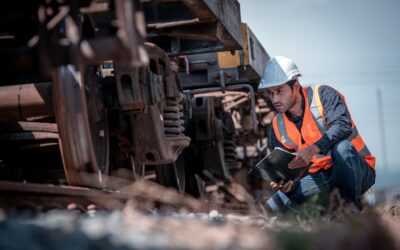

Train transportation plays a big role in daily commuting for many people around Aurora and Denver. Whether you’re heading to work, visiting family, or traveling between city stops, getting onboard a train often feels straightforward. Most folks trust that these rides will be smooth and safe. Unfortunately, things don’t always go as planned. Sometimes, hidden or overlooked problems inside the train cars turn a routine trip into a painful experience.
Train car defects might sound uncommon, but they can lead to serious injuries. A loose seat, a faulty door, or a glitch in the braking system can cause harm before you even realize what’s happening. Knowing what to look out for isn’t just helpful; it might keep you or someone you love safe. And when injuries happen due to bad equipment or lack of upkeep, it’s important to understand the bigger picture of how these problems occur, and what responsibilities the train operator has under Aurora law.
Common Train Car Defects Leading To Passenger Injuries
Not all injuries on trains happen during big crashes. Some happen during regular stops or while boarding, all because something inside the train wasn’t working like it should. Below are some of the most common defects found in passenger train cars that can lead to accidents or injuries.
1. Brake System Failures
The braking system in a train is supposed to keep everything under control when it slows down or comes to a stop. But when parts like brake shoes, pistons, or hoses wear out or go unnoticed, it can result in harder-than-normal stops or sudden jolts. These issues might throw standing passengers off balance or send people flying off their seats. If a train overshoots a station because of a failed brake system, it could also lead to dangerous situations near the platform.
2. Door Malfunctions
Train doors are expected to open and shut smoothly. But sometimes they don’t close all the way or they close too fast. In some situations, doors jam shut or stop responding at all. This can trap people midway while boarding or exiting. Worse, a malfunctioning door might open while the train is in motion. That’s a situation no passenger expects, but it does happen when electrical or mechanical systems fail to do their job.
3. Structural Defects
Train cars that haven’t been maintained over time can weaken. Rust or cracks can form around the steps, railings, or floorboards. In some older models still in use between Aurora and nearby cities, passengers may find loose panels or shaky railings. These weak points can turn risky fast, especially if people lean against them or carry heavy bags that press on those spots.
4. Faulty Seats And Missing Seat Belts
Seats that are loosely connected to the floor or missing proper support can cause back or neck injuries, especially if the train hits a bump on the rail. Seat belts, if offered, should work correctly. But if the belt doesn’t click into place or jerks loose during a sudden stop, it won’t protect passengers the way it’s supposed to. These might seem like small issues, but in the right (or wrong) situation, they can have serious effects.
Just imagine a rider on a morning train from Aurora to downtown Denver. As the train slows near a crossing, the brakes make a loud noise and suddenly jerk the car forward. A standing passenger grabs for support, but the nearby rail is rusted and snaps off. That’s an injury waiting to happen, all due to preventable defects.
Knowing these defects helps riders stay alert. But behind the scenes, there are legal responsibilities in place to make sure trains are safe before they ever leave the station. Understanding who’s in charge of making sure that happens is just as important.
Legal Responsibilities Of Train Operators And Maintenance Crews
When it comes to train travel in Aurora, riders expect that someone is making sure the cars are being kept in a safe condition. That someone is often the railway companies and their maintenance crews. These teams are legally responsible for making sure trains are safe to ride. If they miss something, like a cracked staircase or a faulty brake pad, and someone gets hurt, that can lead to serious legal trouble.
Colorado law holds train operators accountable for following safety standards designed to prevent accidents. Under Aurora’s local and state rules, this includes sticking to regular inspection schedules, training workers properly, and repairing worn-out parts before the train is put back in service. These aren’t just casual checklists. They are requirements put in place to protect passengers.
If a company fails to fix problems they knew about, that may be considered negligence. And if they didn’t know about the problem because they skipped a scheduled inspection, that’s still on them. In many cases, passengers who get injured by these avoidable defects may have the right to seek compensation, especially when it’s clear that a maintenance issue played a role.
Laws in Aurora also have certain time limits for filing a personal injury claim. This period is called the statute of limitations. Missing this deadline could make it harder to get help, even when the train company is clearly at fault. That’s why knowing the legal responsibilities of the people running and maintaining the trains matters just as much as recognizing what can physically go wrong inside a train car.
Steps To Take If Injured Due To Train Car Defects
Getting injured on a train can be confusing and scary. Things happen quickly, and when the ride comes to a stop, you may not be sure what to do next. The steps you take right after the injury can make a big difference in how things turn out.
Here’s a list of smart moves to make after an injury caused by a train car defect:
1. Get to safety right away. If you’re in a dangerous spot, like near a loose rail or open door, move to another part of the car if you can.
2. Call for medical help. Even if injuries seem minor, get checked out. Some injuries take time to show symptoms.
3. Report the issue to train staff or the proper authorities. Be clear about what part was broken, what happened, and how you got hurt.
4. Take photos or videos if you’re able to safely do so. Include the defect, any warning signs or lack of them, and your injuries.
5. Gather names and contact details of any witnesses who saw what happened.
6. Keep your medical records and any receipts or paperwork related to the injury.
7. Talk to a personal injury attorney familiar with train accidents in Aurora. They’ll help sort out who should be held responsible.
Some people make the mistake of brushing off their injuries or staying quiet because they’re not sure who to tell. But waiting too long can cause important evidence to disappear or make it harder to prove the train company was at fault.
Cave Law Can Help You Navigate Your Claim
At Cave Law, we know that dealing with an accident caused by a train defect can be overwhelming. You might be left scared, unsure, and dealing with painful injuries. That’s exactly why we take the time to give every client honest answers and experienced support.
We’re based in Aurora and understand local rail operations, maintenance expectations, and legal duties. We help clients across Aurora and Denver build strong cases when unsafe train conditions cause serious harm. Whether your injuries were caused by faulty doors, a failing brake system, or structural problems inside the train car, we’re ready to help you understand your rights and push for the compensation you may deserve.
Staying Aware Can Make a Big Difference
Taking a train through Aurora should be about convenience, not concern. However, when train companies fail to uphold their end of the deal and poor maintenance results in real injuries, passengers can pay the price. Understanding how these defects come about and what legal protections exist empowers riders to take the proper steps when something goes wrong.
Nobody gets on a train expecting to get hurt. But if it happens, knowing what caused the injury and how to respond is important. Whether it’s a rusted rail, a faulty brake system, or a door that jammed in motion, those problems aren’t minor. They’re serious, and the laws in Aurora give you the right to hold the responsible party accountable.
If you’re dealing with injuries or legal concerns related to train travel in Aurora, you shouldn’t have to face it all alone. From poorly maintained equipment to preventable hazards, your experience matters. Let Cave Law help you understand your options and pursue justice for incidents involving railroad crossing accidents and other train-related issues. Reach out today to get the support you deserve.
We Can Help.
Get a Free Consultation with Cave Law LLC
Free consultation. We serve Aurora, Denver, Centennial, Englewood, Littleton, Parker, Castle Rock.