
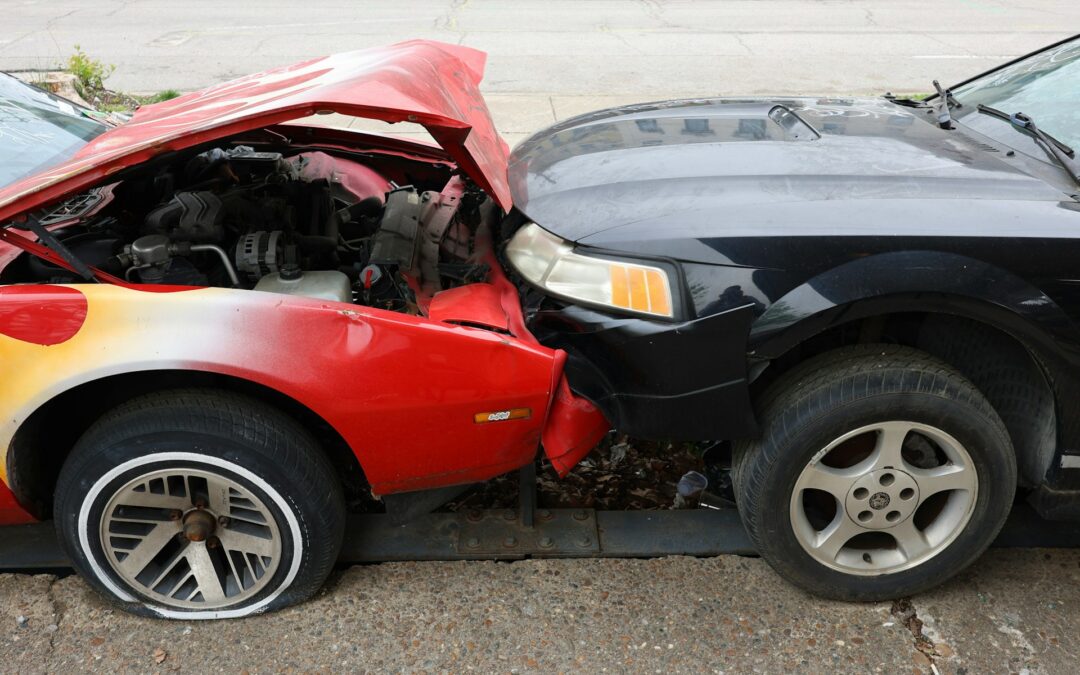
Aurora car accident passenger rights apply fully under Colorado law, even if you live in another state and were just passing through. If you were hurt riding in someone else’s car near I-70, I-225, or anywhere in the Aurora metro area, the distance between you and home does not reduce what you can recover. The insurance adjusters working your case are already building their position. You need to understand yours.
Key Takeaways
- Colorado law applies to any crash that occurs in Colorado, regardless of where you live or where you are from.
- As an injured passenger, you can pursue compensation from multiple insurance policies, including the at-fault driver’s coverage, the vehicle owner’s policy, and your own auto policy from home.
- Colorado’s statute of limitations gives you three years from the date of the crash to file a personal injury lawsuit. Missing that deadline ends your right to recover.
- Much of your case can be handled remotely. You do not need to fly back to Aurora repeatedly to protect your claim.
Why Out-of-State Passengers Face a Harder Road After a Crash
Aurora sits along some of Colorado’s most heavily traveled corridors. I-70 runs west toward the mountains, and I-225 connects the metro to Denver International Airport. People pass through constantly for road trips, layovers, and family visits. When a crash happens, visitors face a set of problems that local residents simply do not.
You may not know Colorado’s fault rules or minimum insurance requirements. Your doctors are back home. The police report is being processed by the Aurora Police Department. By the time you understand what happened, you may already be on a flight home.
Our attorneys have handled cases exactly like this. A passenger injured in a multi-vehicle collision near the airport recovered from two separate insurance policies, including her own underinsured motorist coverage from her home state, after we identified that the at-fault driver’s liability limits fell short of her medical bills. That kind of layered recovery is common in out-of-state passenger cases and easy to miss without a local attorney coordinating the claims.
State Law
The state where a crash occurs controls which rules apply. If you were injured in Aurora, Colorado law governs your case, even if you live somewhere with completely different insurance requirements. Colorado requires drivers to carry minimum liability coverage of $25,000 per person and $50,000 per accident under C.R.S. § 10-4-620. Those minimums often fall short in serious injury cases, which is why identifying all available coverage matters from the start.
Which Insurance Policies Can Cover an Injured Passenger
Passenger injury claims frequently pull from more than one policy. Coverage can include the at-fault driver’s liability policy, the policy on the vehicle you were riding in, and your own auto insurance from your home state, including uninsured and underinsured motorist coverage.
Different states set different minimum limits and different rules about how those policies interact. Your home state policy may include personal injury protection benefits that Colorado policies do not require. That distinction matters when your medical bills are climbing and the at-fault driver’s coverage runs out.
Insurance companies will sometimes dispute which policy pays first, or they will offer a fast settlement before you fully understand your injuries. If you experienced Delayed Pain After an Aurora Crash, accepting a quick offer can permanently close your right to recover for conditions that surface days or weeks later.
Insurance Trap
Adjusters often contact injured passengers quickly with a settlement offer that sounds reasonable before the full picture is clear. Accepting any payment or signing a release ends your claim, even if your injuries turn out to be more serious than they appeared at the scene. Do not sign anything without speaking with a local attorney first.
Colorado’s Statute of Limitations and Why Distance Makes It Dangerous
Colorado gives injured people three years from the date of a car accident to file a personal injury lawsuit. Miss that window and the right to recover is gone, regardless of how serious your injuries are or how clearly the other driver was at fault.
Three years sounds like plenty of time. Once you factor in the months it takes to understand your injuries, complete treatment, and work through the back-and-forth with insurers, that window shrinks fast. Out-of-state passengers are especially vulnerable here. Once you get home, the Aurora crash can fade into the background of everyday life while the clock keeps running.
Getting a local attorney involved early preserves evidence, locks in witness accounts while they are still fresh, and puts someone on the Colorado side of your case who watches those deadlines for you.
Aurora Car Accident Passenger Rights Do Not Require You to Stay Here
One of the most common questions we hear from out-of-state clients is whether they have to keep coming back to Aurora to manage their case. In most situations, the answer is no. Our team exchanges documents electronically, meets by phone or video, and coordinates directly with your treating physicians and employer, even when they are located in another state entirely.
We handle the Aurora Police Department accident report, gather crash scene evidence, review all applicable insurance policies, and negotiate with adjusters on your behalf. If the case moves toward litigation, we will walk you through exactly what that requires and when your presence would be needed.
Passengers injured in Rideshare Accidents, rental car crashes, or collisions involving multiple vehicles each face different layers of insurance complexity. Our attorneys have spent over 17 years working through those layers for clients throughout Aurora, Parker, and the broader Denver area. Cases involving serious outcomes, including Catastrophic Injury, require that coverage analysis to happen quickly, before evidence disappears or adjusters lock in their position.
You were hurt through no fault of your own. Call Cave Law at (303) 680-9000 for a free consultation, available 24/7. You can speak with us from wherever you are.
We Can Help.
Get a Free Consultation with Cave Law LLC
Free consultation. We serve Aurora, Denver, Centennial, Englewood, Littleton, Parker, Castle Rock.
Frequently Asked Questions
What is the 3 second rule in Colorado?
The three-second rule is a safe following distance guideline, not a Colorado statute. It means you should allow at least three seconds of travel time between your vehicle and the car ahead. In crash litigation, following distance matters because tailgating and rear-end collisions are among the most common fact patterns our attorneys see. Colorado courts consider whether a driver maintained a reasonable distance when assessing fault, and that evidence can directly affect how much an injured passenger recovers.
What not to tell your insurance company?
Do not speculate about fault, minimize your injuries, or say you feel fine before you have been fully evaluated by a doctor. Adjusters use recorded statements to limit what they pay. Avoid saying things like “I’m okay” or “it wasn’t that bad” in the immediate aftermath of a crash. You are required to report the accident, but you are not required to give a recorded statement to the other driver’s insurer without legal guidance. Speaking with an attorney before any recorded statement protects your claim.
Can a car accident cause spinal stenosis?
A car accident can aggravate existing spinal stenosis or trigger symptoms in a spine that was already narrowed but not yet causing problems. Colorado law allows injured people to recover for aggravation of pre-existing conditions, not just new injuries. Insurers frequently argue that spinal conditions are pre-existing and unrelated to the crash. Medical records establishing your condition before and after the accident, along with expert testimony, are often necessary to counter that argument. If you are experiencing back or neck pain after a crash, get evaluated promptly so there is a documented medical record connecting your symptoms to the collision.
Is Colorado a no-fault state for car accidents?
No. Colorado is an at-fault state, meaning the driver who caused the crash is responsible for the resulting damages. Unlike no-fault states, where your own insurer pays your medical bills first regardless of fault, Colorado allows injured parties to pursue the at-fault driver’s liability coverage directly. For out-of-state passengers from no-fault states, this is a meaningful difference. You may also have personal injury protection benefits through your home state policy that can apply on top of what Colorado coverage provides, giving you more total recovery options than you might expect.
Last reviewed by Jeremy Cave, Personal Injury Attorney — May 26, 2026. Cave Law serves Aurora, Parker, Denver. Content is for informational purposes. Laws may change; consult an attorney for advice specific to your situation.