
Train brake failure isn’t something most people think about until it happens. But when it does, the damage can be life-changing. For people living or traveling through Aurora, where train lines run near busy roads, neighborhoods, and industrial areas, a brake failure can turn your morning commute or routine trip into a nightmare. Whether you’re sitting in a railcar or driving near tracks, the danger is real when a train can’t stop the way it should.
Accidents involving trains that fail to brake in time have left a lasting impact on people across Colorado. Knowing what causes these kinds of crashes and what to do right after can make a huge difference. If you ever find yourself in one, understanding your rights under Colorado law helps you stay grounded while you figure out your next steps.
Causes Of Train Brake Failure
Any large machine that runs regularly needs upkeep, and trains are no different. When they don’t get proper attention, things start to break down. In the case of brake failure, it’s usually not just one little thing going wrong but a mix of issues that get ignored or don’t seem urgent until they are.
Here are the most common causes of train brake failures:
– Mechanical Issues: Trains rely on air brake systems that connect each car from one end to the other. If one valve leaks or a hose becomes disconnected, the entire system might fail to work properly. Old parts worsen the risk.
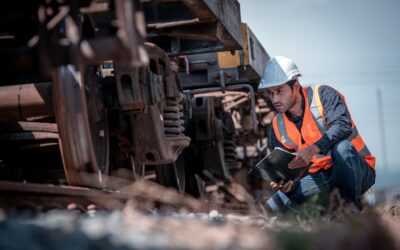
– Lack of Maintenance: Over time, even the best-built systems wear down. Brake shoes, cylinders, and pistons need to be inspected, cleaned, or swapped out on schedule. Skipping inspections or ignoring wear and tear can cause failures down the road.
– Operator Error: Train operators must check systems and react quickly. If a warning is ignored or regular brake tests aren’t performed at scheduled intervals, it can lead to trouble when the brakes are actually needed.
– Construction Interference: In Aurora, train routes sometimes pass near active building sites or roadwork. If construction crews interfere with signal lines, debris lands on tracks, or machines operate too close to rail lines, it could lead to braking issues.
– Weather Conditions: Cold fall mornings in Aurora can freeze critical parts and limit how well brakes respond. Leaves or moisture on rails might seem harmless, but they can reduce traction and affect how quickly a train can slow down.
A real-world example would be a situation where construction near a train line caused loose gravel to pile close to the railbed. That material could have affected the train’s braking traction, especially if the brakes weren’t already up to the task. These kinds of domino effects are more common than people realize.
When trains fail to stop, the first question is usually, “Why didn’t the brakes work?” Understanding the answer is the first step in holding someone accountable.
Immediate Steps To Take After A Train Brake Failure Accident
The moments right after a train crash are filled with confusion. If you or someone you care about has been in an accident caused by a brake failure, staying calm and acting fast really matters. Safety and documentation come first. Skip these steps and it might be harder later to build a strong case or get the help you need.
Here’s what to do first:
1. Move to a safe spot if you’re able
If you’re still on the train, wait for instructions unless there’s immediate danger like fire or smoke. If you’re outside the train or were nearby when it happened, get clear of the tracks and anything sharp, broken, or unstable. If anyone looks seriously hurt, try not to move them unless absolutely necessary.
2. Call emergency services ASAP
Dial 911 or ask someone nearby to call. Make sure to say exactly where you are in Aurora, what happened, how many people look hurt, and if you’re near any landmarks or well-known cross streets.
3. Get medical help right away
Even if you feel okay, the shock can mask pain. Trains are heavy, and accidents cause all kinds of injuries from whiplash to broken bones. Visit the ER, clinic, or get checked by a paramedic on-site.
4. Gather what info you can
If it’s safe to do so, use your phone to get photos and videos. Focus on things like the condition of the track, damage to the train, and any signage or barriers nearby. If there’s something that seems out of place, like a construction zone or warning signal failure, document that.
5. Talk to people who saw what happened
Passengers, workers at nearby buildings, or pedestrians may have seen things you didn’t. Get their names and numbers if they’re open to it. You don’t need full statements right away—just enough to follow up later.
The more information you collect early on, the easier it is to prove how the train brake failure happened and who might have played a part in it. That can mean the difference between a weak case and a strong claim when it’s time to move forward.
Legal Responsibilities And Liability In Brake Failure Accidents
When a train crash happens due to brake failure, figuring out who is legally responsible becomes one of the biggest questions. Trains are complex machines operated by many hands, and several different parties could be at fault. In Aurora, this can be influenced by both local and Colorado state laws that deal with train regulations and personal injury claims.
Train companies and operators have a legal responsibility to make sure trains are in safe working condition. That includes checking brake systems before departure, scheduling regular maintenance, and reacting to warning signs right away. Ignoring signals, skipping routine checks, or pushing through known system issues to stay on schedule can put people at risk. When that happens, the company or operator might be liable.
Maintenance crews also play a key role. Repairing worn parts, replacing faulty connections, and logging service reports are part of their duty. If paperwork gets lost, inspections are rushed, or broken parts are left unfixed, they could share legal responsibility. Depending on the situation, even third-party contractors who service the train or manage upkeep on parts of the rail line could be included in liability claims.
In brake failure cases within Aurora, victims can refer to local injury laws that operate under a fault-based system. These laws make it possible to seek damages if someone else’s action—or failure to act—is linked to a train accident. The key legal point is proving negligence. You’ll need to show that one or more parties failed to meet safety standards or acted in a way that directly led to the accident.
There are also limits on how long you have to file a claim. Colorado has a statute of limitations on injury cases. You usually get two years to take legal action, but special conditions might move that deadline depending on who’s involved. That’s why gathering evidence early and speaking to someone familiar with train accident law in Aurora is so important.
Seeking Compensation With A Railroad Injuries Attorney
Recovering from a train accident isn’t just about healing physically—it’s also about getting answers and figuring out how to rebuild. Medical bills can add up quickly. Missing work cuts into your income. You might even need therapy or long-term help just to get through each day. That’s where having someone on your side who knows railroad injury law can really change the outcome.
An experienced railroad injuries attorney can help you understand what kinds of compensation you might qualify for. Here’s a breakdown of what that could include:
– Medical expenses: hospital stays, surgeries, physical therapy, transportation to and from appointments
– Lost wages and future income loss: days you missed or might continue to miss because of your injury
– Pain and suffering: how the accident physically and mentally affected your daily life
– Loss of enjoyment: how injury has stopped you from doing the things you love
– Help with permanent disability or long-term care if needed
Dealing with railroad companies often means going up against teams of lawyers. These companies are experienced with denying or delaying claims. An attorney who understands the technical parts of train laws, train design, and contractor agreements can build a strong case. They’ll also make sure no deadlines are missed and that paperwork is filed properly.
Having legal help also takes some of the pressure off your plate. You can focus on getting better while someone digs into evidence, talks to experts, and negotiates with insurance teams. In serious cases, your attorney may even represent you in court if a fair deal can’t be reached outside of it.
Navigating The Road To Recovery
A train brake failure accident can throw your life off course in an instant. You might be injured, confused about who’s at fault, and unsure of what comes next. But getting through it one step at a time—starting with safety, then collecting evidence, and eventually working with someone who knows the law in Aurora—can help you gain back control.
Every person affected by a train accident deserves the right to understand what caused it and who should take responsibility. That starts with asking questions, learning your options, and refusing to be pushed aside. Whether you’re seeking damages for medical costs or just want answers about what caused the crash, the choices you make early on can affect everything down the line.
For folks in Aurora, knowing how Colorado injury laws apply to train failures can be a powerful first step in the right direction. These rules exist to protect you and when used right, they help make sure the people responsible are held accountable. Having someone by your side who understands those laws can make the path feel less overwhelming, especially when you’re trying to rebuild your life after such a serious event.
Facing the aftermath of a train accident in Aurora can be overwhelming, especially when figuring out the next steps to take. If you’re navigating legal decisions following such an incident, having a knowledgeable partner makes all the difference. An experienced railroad injuries attorney can guide you through the process. Learn more about getting the support you need with Cave Law, where you can find detailed information and assistance tailored to your situation.
We Can Help.
Get a Free Consultation with Cave Law LLC
Free consultation. We serve Aurora, Denver, Centennial, Englewood, Littleton, Parker, Castle Rock.